Bezos-Backed Investment in Liverpool FC: What Changes for the Club's Future?
Discover how Jeff Bezos's involvement through FSG investment impacts Liverpool FC's finances, spending capacity, and fan sentiment in this comprehensive analysi...
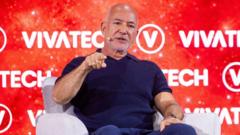
Understanding the Bezos-Led Investment in Liverpool FC
The involvement of Jeff Bezos through a group linked to FSG represents a significant moment for Liverpool FC investment discussions. However, the arrival of fresh capital through this high-profile entrepreneur does not automatically translate into dramatically enhanced transfer budgets or competitive advantages for the Merseyside club.
Liverpool FC investment news has generated considerable excitement among supporters, yet analysts suggest the financial implications may be more nuanced than initial reactions suggest. The partnership structure involving Bezos and FSG creates an interesting dynamic that requires careful examination of how capital flows translate into on-pitch performance.
The Reality of Financial Impact on Squad Development
Many football enthusiasts expect that substantial external funding automatically results in unlimited spending power. The Liverpool FC investment situation demonstrates this assumption requires qualification. While new capital certainly provides resources, the club's existing financial commitments, debt obligations, and sustainability regulations significantly constrain how much additional spending becomes possible.
Under current Premier League financial fair play rules and UEFA regulations, clubs cannot simply deploy all available capital into immediate player acquisitions. Liverpool's infrastructure investments, wage structures, and existing contractual obligations consume considerable portions of available funds. Therefore, despite Bezos's involvement and the prestige associated with his name, the practical increase in annual transfer allocations may prove disappointingly modest.
FSG's Strategic Vision and Long-Term Planning
FSG's ownership philosophy has consistently emphasized sustainable growth rather than dramatic short-term spending surges. The partnership involving Bezos appears consistent with this approach, focusing on strengthening the organization's infrastructure and financial stability. This strategy prioritizes building institutional strength over pursuing marquee signings that might generate immediate headlines but create long-term financial risks.
Liverpool FC investment under this model emphasizes patient capital deployment. The group's track record across multiple sports franchises suggests confidence in methodical development rather than reckless expenditure. Stadium upgrades, training facility enhancements, and organizational modernization may receive priority over blockbuster transfer window acquisitions.
Fan Sentiment and Ownership Concerns
Bezos's involvement has generated mixed reactions among Liverpool's supporter base. While some embrace the infusion of wealth associated with one of the world's richest entrepreneurs, others harbor reservations about increased corporate influence and potential commercialization intensification.
The Liverpool FC investment announcement raises philosophical questions about club identity and values. Supporters who cherish the institution's Merseyside roots and traditional character express concerns about external billionaire involvement potentially distancing ownership from the local community. These tensions between financial optimization and cultural preservation represent genuine considerations for many fans.
Additionally, some supporters worry that Bezos-linked involvement might accelerate unpopular commercial strategies or operational changes they associate with modern billionaire sports ownership. The apprehension reflects broader anxieties about how globalizing capital flows reshape beloved sporting institutions.
Competitive Implications in the Premier League
For Liverpool's competitive positioning within English football, the Liverpool FC investment through FSG and Bezos connections provides important but finite advantages. Manchester City's extraordinary financial resources, enabled through different ownership structures, set an exceptionally high benchmark for spending capacity.
Liverpool can expect modest improvements in financial flexibility, yet the club cannot realistically expect to match Manchester City's annual transfer expenditures or wage budgets. Real Madrid and other European powerhouses also maintain spending capabilities that overshadow even substantially improved Liverpool FC investment scenarios.
The club's competitive future depends less on Bezos's involvement than on smart recruitment, tactical excellence, and organizational efficiency. Liverpool's previous success under recent management demonstrated that thoughtful player development and strategic acquisitions often outperform less disciplined spending approaches.
Long-Term Strategic Considerations
The Bezos connection signals FSG's confidence in Liverpool's long-term value and potential. Investment of this magnitude reflects belief that the club represents an attractive asset despite competitive pressures and market uncertainties. This validation, regardless of actual spending increases, provides psychological and organizational benefits.
Liverpool FC investment frameworks will likely emphasize sustainable profitability alongside competitive ambition. The organization seeks to become self-sustaining while maintaining status as a major European power. This balanced approach, though less glamorous than unlimited spending fantasies, builds foundations for decades of success.
Ultimately, Liverpool's future depends on executing the club's strategic vision effectively, regardless of Bezos's involvement. The Liverpool FC investment news matters primarily as confirmation of FSG's commitment and available resources, rather than as a transformative development guaranteeing immediate competitive dominance.


