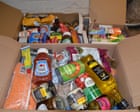
Brits Stockpile Essentials Following Government Emergency Guidelines
UK residents stockpile tinned food and power banks after government campaign recommends three days' emergency supplies amid security threats and climate concern...

Government Campaign Encourages Three-Day Emergency Reserves
The UK government has launched an official campaign promoting government emergency stockpile preparation, urging citizens to assemble sufficient supplies to sustain their households through potential crises lasting several days. This initiative addresses growing concerns surrounding national security vulnerabilities and environmental disasters that could disrupt essential services and supply chains across the nation.
The advisory specifically recommends that households maintain a government emergency stockpile containing enough resources for approximately seventy-two hours of self-sufficiency. This guidance has prompted many British residents to take proactive measures in gathering critical supplies before potential disruptions occur, with some households already significantly ahead of the recommended baseline.
What Supplies Form Part of Emergency Preparedness
According to the government's recommendations, an effective government emergency stockpile should include several core categories of provisions. Dried and tinned foodstuffs form the foundation of emergency supplies, providing nutrition that remains viable for extended periods without refrigeration or cooking facilities.
Bottled water represents another essential component, with guidelines suggesting residents maintain adequate hydration reserves. Prescription medications and over-the-counter pharmaceuticals ensure that individuals with ongoing health requirements can continue necessary treatments during service interruptions. Additionally, backup power banks and alternative charging solutions have emerged as increasingly critical elements in modern emergency preparedness, enabling residents to maintain communication capabilities when conventional electricity supplies become unavailable.
Motivating Factors Behind Current Stockpiling Trends
Several interconnected factors have prompted heightened interest in government emergency stockpile strategies among UK households. Officials have highlighted concerns regarding Russian state-sponsored terrorism activities that could potentially target critical infrastructure. Simultaneously, the accelerating climate crisis presents escalating risks of severe weather events, flooding, and environmental emergencies that could compromise supply chain functionality and essential service delivery across regions.
These multifaceted security and environmental challenges have created a convergence of motivations encouraging citizens to establish comprehensive emergency provisions. Rather than viewing stockpiling as alarmist behavior, many residents perceive it as prudent risk management aligned with official recommendations from government authorities.
Household Response to Official Guidance
Response to the government emergency stockpile initiative has been notably varied across different demographic groups and regions. While the official recommendation specifies three days' worth of supplies, some particularly motivated households have assembled significantly more substantial reserves. These proactive residents view the government's baseline guidance as a minimum threshold rather than a comprehensive solution.
Supermarkets have reported increased purchasing patterns for non-perishable items, particularly tinned vegetables, preserved fruits, pasta, and canned proteins. Retail outlets specializing in outdoor and emergency preparedness equipment have similarly experienced heightened demand for water containers, first aid supplies, and portable power solutions.
Implementation Considerations for Effective Emergency Planning
Establishing a government emergency stockpile requires systematic planning rather than panic purchasing. Experts recommend categorizing supplies by necessity level: immediate survival needs such as water and medication take priority, followed by nutritional provisions and sanitation items, with comfort supplies and entertainment options comprising tertiary categories.
Storage considerations prove equally important as selection criteria. Cool, dry locations away from direct sunlight optimize shelf life for most provisions. Rotation systems ensuring regular consumption and replacement of older items prevent waste while maintaining current stock viability. Clear inventory documentation helps households track expiration dates and identify replenishment requirements.
Broader Implications for National Resilience
The government emergency stockpile campaign reflects broader institutional recognition that individual household preparedness contributes significantly to national resilience during crises. When citizens maintain adequate personal supplies, they reduce pressure on emergency response systems and public distribution networks during acute incidents.
This distributed approach to emergency readiness represents a shift toward shared responsibility between government authorities and individual households. Rather than attempting to centrally manage all emergency response resources, officials encourage citizens to develop self-sufficiency capabilities that complement official emergency services.
As climate-related disruptions become increasingly frequent and geopolitical tensions remain elevated, the relevance of government emergency stockpile recommendations continues expanding. Whether motivated by security concerns or environmental precautions, UK residents increasingly recognize stockpiling as a legitimate component of household risk management strategies aligned with official government guidance.