Burnham Launches National Campaign to End Street Homelessness by Christmas
PM Andy Burnham announces £100m initiative and calls on local leaders to remove rough sleepers from streets by Christmas through coordinated national effort.
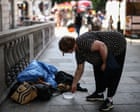
Prime Minister's Ambitious Pledge to Combat Street Homelessness
Andy Burnham has unveiled a comprehensive rough sleepers campaign aimed at providing every homeless individual in England with a pathway away from street living before the Christmas season arrives. The Prime Minister is committing an additional £100 million toward this ambitious objective, signaling a major shift in the government's approach to addressing the escalating homelessness crisis across the nation.
The rough sleepers campaign represents one of the most significant interventions in street homelessness policy in recent years. Burnham has characterized the prevalence of rough sleeping as having become so normalized that it now "feels like part of the scenery" in communities throughout England, emphasizing the urgent need for decisive action.
Government Strategy and Local Authority Cooperation
The initiative requires close collaboration between central government and local leaders, with Burnham appealing directly to municipal administrators and regional authorities to implement coordinated measures. Local councils will play a pivotal role in identifying vulnerable individuals sleeping rough and coordinating placement into appropriate accommodation and support services.
The government's approach mirrors the rapid mobilization strategies employed during the Covid-19 pandemic, demonstrating that large-scale interventions can be executed efficiently when prioritized. Burnham's administration intends to replicate this model specifically for addressing street homelessness, deploying resources swiftly across regional boundaries.
Financial Commitment and Resource Allocation
The £100 million additional investment represents a substantial financial commitment to tackling rough sleeping. Combined with existing funding mechanisms, the total package demonstrates the government's determination to move beyond temporary solutions and create sustainable pathways for homeless individuals. These funds will support emergency accommodation, wraparound services, mental health support, and addiction treatment programs essential for helping rough sleepers achieve stable housing.
The rough sleepers campaign includes provisions for outreach workers who will engage with individuals on streets, offering immediate shelter options and connecting them with longer-term support services. Winter months traditionally see increased mortality among homeless populations, making the Christmas timeline significant both practically and symbolically.
Welcome Response from Homelessness Campaigners
Charitable organizations and homelessness advocacy groups have cautiously welcomed Burnham's announcement, recognizing the positive intent behind the rough sleepers campaign. However, many campaigners have emphasized that the initiative's success will depend on implementation quality, sustained funding beyond Christmas, and addressing root causes of homelessness such as housing affordability and mental health support.
Campaigners have noted that while the rough sleepers campaign represents meaningful progress, comprehensive solutions require longer-term commitments extending well beyond the winter period. They advocate for persistent funding structures and preventative measures that address homelessness at its source rather than treating symptoms temporarily.
Implementation Challenges and Practical Considerations
Delivering on the rough sleepers campaign promises presents substantial logistical challenges. Local authorities must rapidly expand accommodation capacity, recruit trained staff, and establish coordination mechanisms across their regions. Some councils already face resource constraints that may complicate implementation of the ambitious timeline.
The rough sleepers campaign will require identification of currently unhoused individuals, assessment of their specific needs, and matching with appropriate support services. Different individuals experiencing street homelessness have varying requirements—some need temporary shelter, others require long-term supported housing, and many require simultaneous health and addiction treatment.
Broader Context of Homelessness Policy
The rough sleepers campaign emerges amid broader concerns about homelessness trends in England. Street homelessness has increased significantly over the past decade, driven by housing shortages, cost-of-living pressures, mental health challenges, and inadequate social safety nets. Burnham's initiative acknowledges these systemic issues while attempting immediate intervention.
Previous homelessness programs have demonstrated both successes and limitations. The rough sleepers campaign aims to incorporate lessons from past initiatives while introducing enhanced coordination mechanisms and expanded resources. Success will require genuine partnership between government, local authorities, housing providers, health services, and voluntary organizations.
Long-Term Sustainability and Future Outlook
While the rough sleepers campaign provides immediate relief, sustained reduction in street homelessness requires addressing underlying causes. Housing supply, affordability, mental health services, and social support networks must all be strengthened concurrently with emergency interventions. Burnham's commitment suggests recognition that rough sleeping represents both an immediate crisis and a longer-term policy challenge requiring comprehensive solutions.