Can Technology Combat Wildfires Effectively
Discover how advanced technology aids wildfire detection and management while firefighters remain essential in fighting dangerous blazes.
Technology's Growing Role in Wildfire Detection
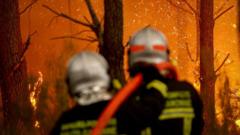
Technology wildfire detection has emerged as a critical component in modern firefighting strategies across the globe. While sophisticated surveillance systems and artificial intelligence continue to advance in their capability to identify emerging fires, trained firefighters remain indispensable on the ground for direct suppression efforts. The relationship between technology and traditional firefighting represents a complementary partnership rather than a replacement scenario.
Advanced monitoring systems now utilize satellite imagery, drone technology, and sensor networks to provide real-time alerts about potential fire hotspots. These technological innovations have dramatically reduced response times and improved early warning capabilities for communities at risk. However, the capacity to physically extinguish flames and protect lives still requires the skill, experience, and judgment that only human firefighters can provide.
How Digital Systems Enhance Firefighting Operations
Modern technology wildfire systems incorporate multiple layers of detection and analysis. Thermal imaging cameras mounted on aircraft and drones can identify temperature anomalies in forest areas before visible smoke appears. Machine learning algorithms process vast amounts of weather data, vegetation conditions, and historical fire patterns to predict where fires are most likely to ignite.
These predictive models enable fire departments to position resources strategically and conduct preventative controlled burns in high-risk zones. Geographic information systems (GIS) help commanders analyze terrain, wind patterns, and accessibility routes during active fires. Communication platforms allow coordination between multiple agencies, improving operational efficiency and safety protocols.
The Irreplaceable Human Element
Despite technological advances in wildfire management systems, the human element remains central to fire suppression. Firefighters possess the ability to make split-second decisions in dangerous, unpredictable situations. They assess changing conditions, adapt tactics in real-time, and execute rescues that algorithms cannot perform.
Physical firefighting requires understanding structural integrity of burning buildings, recognizing flashover conditions, and executing evacuation procedures. The presence of trained personnel provides psychological reassurance to evacuating residents and coordinates complex multi-agency responses during major incidents. Technology supports these operations but cannot replace the judgment, courage, and expertise that firefighters bring to crisis situations.
Integrated Approaches to Forest Fire Prevention
The most effective wildfire prevention strategies combine technological solutions with traditional firefighting expertise. Sensor networks strategically placed throughout forests provide continuous monitoring and transmit data to centralized command centers. Integration of weather forecasting models helps predict critical fire conditions days in advance.
When technology identifies a potential threat, firefighters can preposition equipment and personnel to respond rapidly. This coordination between automated systems and human expertise significantly reduces the time between fire detection and active suppression efforts. Communities are increasingly adopting this hybrid approach as budgets allow investment in both technological infrastructure and personnel training.
Future Evolution of Wildfire Technology
Emerging technologies continue expanding wildfire management capabilities. Autonomous drones equipped with sensors can monitor vast territories continuously without crew fatigue. Augmented reality systems provide firefighters with real-time information overlays showing building layouts, hazard locations, and teammate positions.
Artificial intelligence applications are improving prediction accuracy for fire behavior, wind patterns, and ember transport. However, these innovations are designed to augment firefighter effectiveness, not eliminate the need for personnel. As technology becomes more sophisticated, the demand for firefighters with digital literacy and technical training increases rather than decreases.
Challenges in Technology Implementation
Budget constraints remain a significant barrier to widespread technology adoption in many fire departments. Rural and economically disadvantaged regions often lack resources for advanced monitoring systems, creating digital divides in fire preparedness. Training requirements for new technology demand investment in workforce development programs.
Weather-related interference can degrade sensor performance and communication systems during extreme conditions when reliability is most critical. Technology failures during emergencies require backup human judgment and traditional methodologies. The integration of new systems into existing operational frameworks requires careful planning and extensive testing.
Conclusion: Partnership Between Technology and Expertise
The question of whether technology can replace firefighters in wildfire scenarios has a definitive answer: technology enhances but cannot substitute human firefighting capabilities. Advanced detection systems provide invaluable early warning and situational awareness, allowing firefighters to respond more effectively. However, the actual suppression of fires, rescue operations, and protection of lives depend fundamentally on trained personnel in the field.
Moving forward, communities should invest strategically in both technological infrastructure and firefighter recruitment and training. This dual approach maximizes public safety outcomes by combining algorithmic precision with human judgment, creating resilient fire response systems capable of handling increasingly complex wildfire challenges.


