England Faces Widespread Drought Crisis as Environment Agency Declares Emergency
Over 50% of England declared in drought following exceptional heat and dry conditions affecting rivers, crops, and wildlife habitats across the nation.
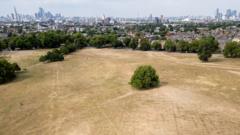
England Drought Declaration Reaches Critical Point
The Environment Agency has officially declared that more than half of England is experiencing a serious drought crisis, marking a significant environmental emergency across the nation. This England drought crisis represents one of the most serious water challenges in recent years, stemming from an exceptionally prolonged period of heat and minimal rainfall that has devastated essential natural systems and agricultural operations throughout the country.
Factors Behind the Widespread Drought Conditions
The drought declaration emerges following months of unusually high temperatures combined with significantly below-average precipitation levels. The combination of these meteorological factors has created ideal conditions for drought development, depleting water reserves in aquifers, reservoirs, and natural water sources across multiple regions. This exceptional dry period has persisted longer than typical seasonal variations, prompting authorities to implement formal drought management protocols.
Impact on Freshwater Systems and Rivers
Rivers throughout England have experienced severe water depletion as a consequence of the prolonged dry spell. The reduced water levels in major river systems threaten aquatic ecosystems and compromise the integrity of freshwater habitats that support diverse wildlife populations. Many rivers that typically maintain consistent flow rates have diminished to levels that endanger fish populations and aquatic vegetation. This environmental degradation affects not only wildlife but also water supply infrastructure that communities depend upon for daily consumption and industrial activities.
Agricultural Consequences and Crop Damage
Farmers across English agricultural regions face unprecedented challenges as the drought crisis undermines crop production and livestock farming operations. The lack of adequate rainfall has stressed crops during critical growth stages, reducing yield potential and threatening food security outcomes. Irrigation systems that normally supplement natural rainfall have become increasingly strained as groundwater and surface water supplies diminish. Agricultural communities report significant financial impacts as drought-related losses accumulate throughout the growing season.
Environmental and Ecological Ramifications
Beyond agricultural and water supply concerns, the England drought crisis has created serious consequences for natural ecosystems and wildlife populations. Wetlands that provide essential habitats for migratory birds and amphibians have dried substantially, forcing species to relocate or face survival challenges. Soil moisture depletion stresses woodland vegetation and grassland ecosystems, reducing biodiversity across protected conservation areas. Environmental monitoring agencies warn that ecosystem recovery may require extended periods even after normal rainfall patterns resume.
Government Response and Drought Management Strategies
The Environment Agency and related governmental bodies have activated comprehensive drought management plans to address the escalating water shortage situation. These responses include implementing water use restrictions, activating emergency water supply contingencies, and coordinating with water utility companies to ensure equitable distribution. Public advisories encourage conservation measures among residential and commercial users to reduce pressure on diminishing water reserves. Regional authorities are evaluating whether temporary water trading arrangements between regions might alleviate localized shortages.
Looking Forward: Recovery and Preparedness
While the immediate focus remains on managing current drought conditions, officials emphasize the importance of long-term adaptation strategies in response to changing climate patterns. Water infrastructure modernization projects receive renewed attention as communities recognize vulnerability to prolonged dry periods. Planning initiatives now incorporate climate resilience measures to minimize future drought impacts on essential services and environmental health throughout England.


