England's Drought Crisis Expands Across Two-Thirds of Nation
Over two-thirds of England faces severe drought conditions. East Midlands, Kent, and Southeast regions officially enter drought status amid water scarcity.
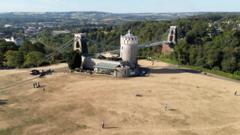
England's Expanding Drought Emergency Reaches Critical Threshold
England's drought crisis has intensified significantly, with more than two-thirds of the nation now experiencing severe water shortage conditions. The widespread England drought crisis represents one of the most substantial environmental challenges facing the country in recent years, affecting millions of residents and agricultural operations across multiple regions simultaneously.
Regional Drought Designations Across England
Four major regions have officially transitioned into formal drought status, marking a dramatic escalation in the nation's water emergency. The East Midlands region, encompassing Lincolnshire and Northamptonshire, has been classified as entering drought conditions alongside other significantly affected areas. This expansion of drought status indicates that authorities have determined these regions face critically low water reserves and face genuine risks to essential water supply infrastructure and services.
Southeast England Under Severe Water Pressure
The Southeast of England, including Kent and East Sussex, has moved into drought designation following months of below-average rainfall and unseasonably high temperatures. This region, densely populated with significant industrial and agricultural water demands, represents one of England's most water-vulnerable areas. The inclusion of Kent and East Sussex in formal drought status signals growing concerns about water availability for households, businesses, and farming communities throughout the southeastern corridor.
Solent and South Downs Region Affected
The Solent and South Downs area, another crucial region for England's economy and population centers, has similarly entered drought status. This designation reflects the geographical spread of the crisis beyond traditional drought-prone areas, demonstrating how widespread the England drought crisis has become. Communities throughout this region now face potential water restrictions and conservation measures to preserve remaining supplies.
Understanding England's Drought Status Classification
Drought status represents an official classification indicating that water companies and regional authorities have determined that current and projected water availability falls significantly below normal seasonal levels. When regions enter this status, water companies typically implement enhanced monitoring, potential usage restrictions, and emergency management protocols to preserve resources for essential needs.
The classification of four separate regions into drought status simultaneously underscores the severity and geographic breadth of the current England drought crisis. Rather than isolated local water challenges, the situation reflects a comprehensive national water security issue requiring coordinated response from government agencies, water authorities, and the general population.
Impact on Agriculture and Water-Dependent Industries
The expansion of drought status across the Midlands and Southeast creates substantial challenges for agricultural producers reliant on water availability during critical growing seasons. Farmers throughout the East Midlands, Lincolnshire, Northamptonshire, and Southeast regions face restrictions on irrigation and water access that directly impact crop yields and livestock management. The agricultural sector, already operating on tight margins, confronts additional pressures from the widespread England drought crisis affecting their operational capabilities.
Beyond farming, numerous industries dependent on water resources—including food processing, manufacturing, and energy generation—must adapt operations to accommodate reduced water availability and potential usage restrictions implemented by regional authorities.
Household and Community Consequences
Residential consumers across the drought-affected regions face the prospect of water conservation requirements and possible supply restrictions. Water companies operating in the East Midlands, Lincolnshire, Northamptonshire, Kent, East Sussex, and the Solent areas have begun communicating conservation messages to the public, emphasizing the necessity of reducing non-essential water consumption. Communities may experience limitations on garden watering, car washing, and other discretionary water uses as authorities work to maintain essential supplies.
The psychological and practical impacts of entering drought status extend throughout affected communities, requiring collective behavioral changes and awareness about water scarcity challenges. Residents must adapt daily routines and expectations regarding water availability, a significant adjustment for populations accustomed to reliable water supply systems.
Environmental and Ecological Implications
The England drought crisis extends beyond human consumption concerns to affect ecosystems, river systems, and wildlife habitats dependent on adequate water flows and moisture levels. Reduced water levels in rivers, reservoirs, and groundwater systems threaten aquatic and semi-aquatic species populations throughout affected regions. Environmental conservation efforts must adapt to accommodate water scarcity conditions while protecting critical habitat areas.
Response and Management Strategies
Water authorities and government agencies have activated drought response protocols designed to manage supply during extended periods of insufficient rainfall and elevated temperatures. These strategies include enhanced demand management, potential usage restrictions, and increased monitoring of water infrastructure. Regional coordination between water companies, local authorities, and national government ensures comprehensive response mechanisms address the England drought crisis across all affected areas.
The designation of multiple regions into formal drought status typically precedes potential implementation of temporary use bans and other emergency conservation measures if conditions worsen further or fail to improve within projected timeframes.


