Enhanced Security Measures Implemented for Indian Medical Exam Retake Following Paper Leak Incident
Stringent biometric screening and military deployment secure Indian medical examination retake after alleged paper leak. Air force ensures exam integrity for mi...
Indian Medical Exam Paper Leak Prompts Unprecedented Security Response
India has implemented comprehensive security protocols for the rescheduled medical examination following the alleged paper leak that compromised the original test administration. The Indian medical exam paper leak incident has triggered an extraordinary mobilization of resources, including deployment of air force personnel and implementation of advanced biometric verification systems to ensure examination integrity for millions of candidates nationwide.
The widespread security breach has forced authorities to completely revamp their approach to examination administration. In response to the Indian medical exam paper leak, regulatory bodies have instituted multiple layers of protective measures designed to prevent unauthorized access to examination materials and maintain the credibility of the testing process.
Biometric Verification and Personal Screening Procedures
All candidates participating in the retake examination are subject to mandatory biometric identification checks at entry points. These technological safeguards include fingerprint scanning, iris recognition, and facial identification systems that create a comprehensive digital record of each test-taker. The implementation of such advanced biometric screening exam procedures represents a significant escalation in examination security protocols compared to previous years.
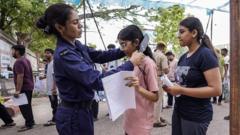
Beyond digital verification, physical security measures have been substantially strengthened. Candidates undergo thorough frisking and body searches to eliminate any possibility of carrying unauthorized materials, electronic devices, or communication equipment into examination halls. Personal belongings are carefully inspected, and electronic items are confiscated before entry to testing facilities.
Military Deployment and Enhanced Surveillance
The Indian government has deployed air force personnel to oversee the distribution, storage, and security of examination papers. This military involvement underscores the gravity with which authorities are treating the situation and the determination to prevent any recurrence of the alleged breaches. The air force exam security deployment provides 24-hour surveillance of examination materials at various locations throughout the country.
Armed personnel are stationed at printing facilities, storage warehouses, and examination centers to monitor every stage of the paper's journey from production to administration. This comprehensive approach to examination security addresses vulnerabilities that existed in previous protocols and establishes new standards for protecting sensitive educational assessment materials.
Unprecedented Scale of Candidate Participation
Millions of medical aspirants are affected by this rescheduled examination, making it one of the largest testing events ever conducted in the country. The massive scale of participation necessitates coordination across multiple states and examination centers, requiring meticulous planning to implement consistent security measures nationwide.
The coordination effort involves various government agencies, military personnel, local law enforcement, and examination authorities working in tandem to execute a unified security strategy. This collaborative approach ensures that security standards remain consistent across all examination venues, regardless of location or regional variations in infrastructure.
Implications for Examination Integrity and Future Protocols
The alleged paper leak and subsequent security response have significant implications for how major educational examinations will be conducted in the future. Regulatory authorities are reviewing existing protocols and implementing permanent changes to prevent similar incidents from occurring during subsequent examination cycles.
The heightened scrutiny and technological investments represent a watershed moment for examination administration in India. Future medical examinations are likely to maintain enhanced security measures, including biometric screening and advanced surveillance systems, even after the current crisis subsides.
Candidates participating in the retake have expressed varying levels of confidence in the new security arrangements. While many appreciate the stringent measures designed to ensure fair competition, others have raised concerns about the time-intensive nature of the verification procedures and the overall examination experience.
Broader Impact on Educational Assessment
This incident extends beyond medical education, potentially influencing how other competitive examinations and academic assessments are secured across India. Engineering entrance examinations, civil service examinations, and other high-stakes assessments may adopt similar security protocols to protect examination integrity.
The investment in advanced security infrastructure demonstrates governmental commitment to maintaining the credibility of national educational systems. For millions of candidates whose academic and professional futures depend on these examinations, the enhanced security measures provide assurance that their performance will be fairly evaluated without external interference or compromise.


