Fuel Theft Surges £200,000 Daily Across UK Petrol Stations
UK fuel theft has skyrocketed since tensions with Iran escalated, with nearly £200,000 stolen daily from forecourts. Industry data reveals a 20% surge in five m...
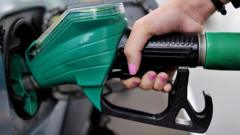
Fuel Theft in the UK: A Growing Crisis at the Pumps
The phenomenon of fuel theft UK has reached alarming proportions in recent months, with industry experts reporting that approximately £200,000 worth of petrol and diesel are stolen daily from forecourts across the nation. This staggering figure represents a concerning trend that has coincided with escalating geopolitical tensions in the Middle East, particularly involving Iran.
The Scale of the Problem
Analysis conducted by sector specialists reveals that fuel theft incidents have experienced a significant 20% increase over a five-month period. This surge in forecourt crime suggests that fuel price volatility and broader economic pressures are driving motorists to resort to stealing fuel rather than paying for it. The stolen fuel represents not only direct losses for petrol station operators but also contributes to wider economic instability across the UK energy sector.
Why Fuel Theft is Increasing
Several factors have contributed to the rapid rise in fuel theft cases. The cost of living crisis has intensified pressure on household budgets, making fuel increasingly unaffordable for many UK residents. Additionally, international oil market fluctuations, particularly those triggered by tensions with Iranian officials and related geopolitical events, have caused petrol and diesel prices to remain volatile and elevated. These conditions create an environment where desperate individuals view stealing fuel as a viable alternative to purchasing it legitimately.
Impact on the Forecourt Industry
Petrol station operators report facing unprecedented challenges in combating fuel theft. The daily loss of £200,000 in stolen fuel translates to significant financial burdens for independent retailers and major fuel suppliers alike. Many forecourts have invested heavily in security infrastructure, including surveillance systems and payment verification technology, to combat this rising crime wave. However, despite these measures, criminals continue to find ways to steal fuel and evade detection.
Security Measures and Enforcement
In response to escalating fuel theft incidents, the industry and law enforcement agencies have intensified their collaborative efforts. Forecourt operators are implementing stricter payment protocols, requiring customers to pay before or simultaneously with fuel delivery at many locations. Digital security systems, vehicle registration recognition technology, and increased staff training have all become standard responses to combat fuel station theft. However, these preventative measures require substantial investment that ultimately impacts operational costs.
Broader Economic Implications
The surge in fuel theft UK reflects deeper economic anxieties within British society. As inflation continues to erode purchasing power and energy costs remain elevated, more individuals are resorting to crime to meet their transportation needs. This trend highlights the intersection of personal financial desperation and criminal behavior, demonstrating how macroeconomic conditions influence petty crime rates at street level.
The relationship between international conflicts, such as those involving Iran, and domestic UK fuel prices underscores how interconnected global markets have become. When Middle Eastern tensions escalate, the resulting oil market uncertainty is quickly transmitted to British consumers and retailers, creating ripple effects throughout the economy.
Looking Forward
Industry stakeholders emphasize that addressing fuel theft requires a multifaceted approach combining improved security, law enforcement action, and broader economic support for struggling households. Without intervention on these fronts, fuel theft UK is likely to continue rising as long as fuel prices remain unaffordable for significant segments of the population. The £200,000 daily loss figure serves as a stark reminder of the financial toll this crime wave is inflicting on the fuel retail sector.


