Funeral Director Sentenced to 20 Years for Failing to Bury Bodies
A disgraced funeral director faces 20 years in prison for failing to properly bury and cremate deceased individuals, instead giving relatives strangers' ashes.
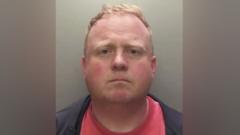
Funeral Director Faces Two-Decade Prison Sentence
A prominent funeral director has been sentenced to 20 years in prison following a shocking investigation into widespread misconduct at his establishment. The criminal conviction centers on his systematic failure to bury bodies and properly handle cremation procedures, leaving grieving families devastated by the discovery that their loved ones were not treated with the promised dignity and respect.
Pattern of Burial and Cremation Failures
Robert Bush, the disgraced funeral director at the center of this case, operated his funeral home while consistently neglecting basic obligations to deceased individuals and their families. The funeral director sentenced failed on multiple counts, including the failure to properly inter bodies in designated burial sites and the mishandling of cremation remains. Investigations revealed that Bush's negligence extended far beyond simple administrative oversights; instead, it represented a deliberate pattern of deception that undermined the trust placed in him by vulnerable families during their most difficult moments.
The Ashes Substitution Scandal
Perhaps the most egregious aspect of this case involves the substitution of cremains. Rather than returning the properly cremated remains of deceased individuals to their bereaved relatives, Bush provided families with ashes belonging to complete strangers. This shocking practice meant that numerous grieving families unknowingly scattered, buried, or kept in their homes the remains of individuals with whom they had no familial connection whatsoever. The emotional toll on these families extended far beyond the initial loss of their loved ones, as they grappled with the realization that their final acts of remembrance involved someone else entirely.
Discovery and Investigation
The criminal activities came to light through a comprehensive investigation that examined records, remains, and crematorium operations at the funeral establishment. Authorities discovered significant discrepancies between documented cremations and actual procedures performed. The investigation revealed that bodies scheduled for burial were not interred as promised to families, leaving relatives under the false impression that their loved ones rested in proper graves while remains remained unaccounted for in the funeral home's facilities.
Legal Consequences and Sentencing
Following the presentation of evidence and testimony from affected families, the court determined that Bush's actions constituted serious criminal violations of funeral industry regulations and laws protecting the dignity of the deceased. The 20-year sentence reflects the severity of his crimes and the breach of fundamental trust inherent in the funeral service profession. This case serves as a stark reminder of the critical importance of regulatory oversight and accountability within the funeral industry.
Impact on Grieving Families
The ramifications of this scandal extend throughout the community, affecting dozens of families who entrusted Bush with the most sensitive responsibility imaginable. These families now face the emotional burden of discovering that their final acts of honoring deceased loved ones were compromised by fraud. Many have had to seek closure through alternative means, while others struggle with the psychological impact of learning that ashes they reverently handled belonged to strangers.
Industry Standards and Accountability
This case highlights the necessity for strengthened oversight mechanisms within the funeral service sector. Funeral directors occupy positions of significant trust and responsibility, and violations of that trust undermine public confidence in the profession. Regulatory agencies have since implemented enhanced auditing procedures and cremation verification protocols designed to prevent similar abuses from occurring in the future. Professional standards now require more rigorous documentation and chain-of-custody procedures to ensure that cremated remains are accurately identified and returned to the correct families.


