Glacier Collapse Triggers Catastrophic Nepal-Tibet Flood Disaster
Scientists confirm glacier collapse as cause of devastating Nepal-Tibet floods, revealing critical climate change impacts on Himalayan ice melting and regional...
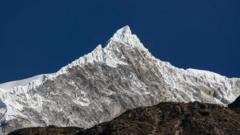
Glacier Collapse Confirmed as Trigger for Nepal-Tibet Flood Crisis
A major glacier collapse in Nepal and Tibet has been identified as the primary culprit behind the devastating floods that swept through the region, according to recent scientific investigations. Initial findings underscore the alarming acceleration of ice deterioration across the Himalayan mountain range, a phenomenon directly linked to ongoing climate change patterns affecting Asia's most critical water sources.
Scientific Investigation Reveals Root Cause
Researchers conducting preliminary assessments have determined that structural failure within a significant alpine glacier directly precipitated the catastrophic flooding event. The glacier collapse released massive volumes of accumulated water and ice debris into downstream valleys, creating destructive flood waves that impacted both Nepal and adjacent Tibetan territories. This incident serves as a stark reminder of the accelerating environmental transformations occurring at high altitudes worldwide.
Rapid Himalayan Ice Deterioration and Climate Impact
The investigation highlights a concerning trend of accelerated Himalayan glacier melting throughout recent decades. Scientists emphasize that the region's glaciers are melting at unprecedented rates, threatening water supplies for hundreds of millions of people across Asia. The Himalayan ice sheets serve as crucial natural reservoirs, regulating water flow in major river systems that sustain agriculture, hydroelectric power, and drinking water resources for downstream communities.
Temperature Rise and Ice Loss
Rising global temperatures have substantially altered the delicate equilibrium of mountain glaciers. The combination of increased atmospheric heat and changing precipitation patterns has destabilized ancient ice formations. Experts note that glaciers throughout the Himalayas are retreating faster than historical records indicate, with some losing meters of elevation annually. This unprecedented rate of change has created dangerous conditions, including weakened glacier structures susceptible to catastrophic collapse events.
Regional Vulnerability and Disaster Response
The Nepal-Tibet flood represents one of several recent incidents where glacier collapse causes have directly threatened communities and infrastructure. Both nations face mounting challenges in monitoring unstable ice formations and predicting potential hazardous events. Emergency response efforts have mobilized resources to assist affected populations, while authorities work to establish early warning systems for future incidents.
Infrastructure and Community Impact
The floods caused significant damage to settlements, agricultural lands, and critical infrastructure across affected regions. Bridges collapsed, roads became impassable, and numerous families were displaced from their homes. The mountain flood catastrophe underscores the vulnerability of communities living in glaciated terrain and emphasizes the urgent need for enhanced preparedness measures and climate adaptation strategies.
Scientific Monitoring and Climate Change Connection
Research teams have expanded monitoring networks across the Himalayas to track glacier stability and identify potential hazards. The direct connection between rising global temperatures and accelerated ice melting provides irrefutable evidence of climate change's tangible impacts on natural systems. Scientists are developing sophisticated models to predict future glacier collapse risks, enabling governments to implement preventative measures and establish protective zoning regulations in vulnerable areas.
Long-term Research Implications
This incident will contribute valuable data to ongoing climate research examining glacial systems worldwide. The collapse event provides empirical evidence supporting projections that predict increased frequency of similar disasters unless global emissions are substantially reduced. International scientific collaboration is essential for understanding these complex phenomena and developing appropriate responses.
Future Outlook and Adaptation Strategies
As climate patterns continue shifting, regions dependent on Himalayan glaciers must prioritize adaptation and resilience-building initiatives. Governments are investing in infrastructure improvements, community relocation programs, and advanced warning systems designed to minimize casualties during future events. The Nepal-Tibet glacier collapse serves as a crucial wake-up call for policymakers, emphasizing the need for aggressive climate action and international cooperation.
The scientific community maintains that reducing global greenhouse gas emissions remains the most effective strategy for slowing glacier deterioration and preventing future catastrophic events. Communities throughout the Himalayan region must simultaneously develop comprehensive disaster preparedness protocols while supporting global climate mitigation efforts.


