Goodwin Explores Strategic Sale of Defence Operations Division
Goodwin considers divesting its defence business segment, a key supplier of components to UK and US frigate and submarine programmes.
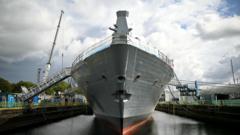
Goodwin Considers Strategic Divestiture of Defence Business
Goodwin defence business sale has become a focal point for the company's strategic evaluation, as the organization reassesses its portfolio and operational focus. The defence division, which has served as a cornerstone of the firm's operations for decades, may undergo significant structural changes as management explores various options for the unit's future.
Critical Role in Allied Naval Operations
The company maintains a prominent position within the defence supply chain, functioning as an essential provider of precision-engineered components for advanced naval vessels. Goodwin's defence business supplies critical parts destined for both British and American frigate construction initiatives, alongside sophisticated submarine development programmes operated by these strategic allies.
UK Frigate Programme Significance
The United Kingdom's naval modernization efforts have relied substantially on specialized suppliers like Goodwin to maintain technological superiority in the frigates class vessels. These vessels represent the backbone of contemporary naval forces, requiring intricate component manufacturing expertise that only established defence contractors can reliably deliver. The loss of such a supplier would potentially create gaps in the supply chain that could necessitate years of qualification and development.
American Submarine Programme Dependencies
The submarine segment represents another critical area where Goodwin's manufacturing capabilities prove indispensable. United States submarine programmes demand uncompromising quality standards and consistent delivery schedules. The company's involvement in this sector demonstrates the depth of technological sophistication embedded within its defence operations, extending far beyond standard manufacturing capabilities into cutting-edge undersea warfare technology.
Strategic Implications of Potential Divestiture
Should Goodwin proceed with divesting its defence business, the transaction would represent a considerable reshaping of the company's strategic trajectory. Such a decision would necessitate careful consideration regarding supply chain continuity and the potential impact on long-standing relationships with defence procurement agencies in both the UK and United States. The divestiture could unlock capital for alternative business ventures or reduce operational complexity for management.
The defence industry remains heavily regulated and subject to stringent government oversight, particularly regarding component suppliers. Any transition involving ownership changes would require comprehensive governmental approval processes, security clearances for new ownership structures, and verification that successor organizations maintain requisite standards and security protocols.
Market Context and Industry Dynamics
The defence sector has witnessed considerable consolidation activities in recent years, with larger contractors acquiring specialized suppliers to strengthen their competitive positioning. Goodwin's potential sale aligns with broader industry trends where companies focus on core competencies and divest non-strategic operations. Such strategic repositioning enables organizations to allocate resources more efficiently and pursue growth opportunities in preferred market segments.
The valuation of a defence business depends substantially on factors including customer concentration, contract duration, technological differentiation, and regulatory compliance status. Potential acquirers would carefully evaluate Goodwin's existing contracts, the stability of revenue streams, and the transferability of crucial supplier relationships and certifications.
Stakeholder Considerations
Multiple stakeholders maintain vested interests in the outcome of these strategic deliberations. Government procurement offices must ensure continuity of component supply to critical programmes. Employees within the defence division face uncertainty regarding employment stability and organizational structure. Existing customers require assurance that service quality and delivery commitments will remain unaffected during any transition period.
The process of divesting a defence business typically extends over several months to years, involving comprehensive due diligence by potential acquirers, regulatory approvals, and complex contract negotiations. Throughout this period, operational excellence remains paramount to maintain customer confidence and programme schedules.


