Heat-Damaged Vegetables Rise: Bumpy Potatoes and Discolored Produce Now Common
UK shoppers face more misshapen vegetables from heatwaves. Learn why heat-damaged produce is increasing and why it's still safe to eat these wonky crops.
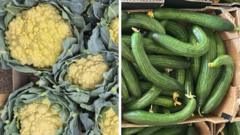
Heat-Damaged Vegetables Becoming More Common in UK Supermarkets
British consumers are increasingly encountering heat-damaged vegetables on supermarket shelves as climate-related temperature fluctuations continue to affect crop production. These heat-damaged vegetables, characterized by unusual shapes, irregular coloring, and atypical textures, represent a growing trend in the fresh produce market driven by consecutive heatwave conditions.
The phenomenon of wonky vegetables appearing in retail outlets stems directly from extreme weather patterns that have impacted agricultural regions across the United Kingdom and beyond. Farmers and produce distributors now face greater challenges maintaining conventional appearance standards when environmental conditions create stress on developing crops.
Why Heatwaves Produce Irregular Vegetables
During intense heatwave periods, vegetables experience accelerated growth rates and moisture stress that fundamentally alter their physical development. Potatoes exposed to prolonged heat often develop knobby surfaces and irregular shapes as their growing season intensifies under elevated temperatures. Similarly, cauliflowers and other cruciferous vegetables may exhibit discoloration, ranging from subtle tanning to more pronounced browning on exposed florets.
Agricultural experts explain that heat-damaged vegetables result from the plant's natural response to environmental stress. When soil temperatures exceed optimal ranges and water availability becomes limited, vegetables redirect their energy toward survival rather than conforming to the perfectly uniform appearance that supermarkets have traditionally promoted.
Understanding Temperature Effects on Crop Quality
Consecutive heatwaves create compounding pressure on agricultural systems. Root vegetables like potatoes face particular challenges when soil temperatures climb significantly above their preferred growing conditions. The stress manifests not in reduced nutritional value but in cosmetic irregularities that retailers have historically rejected.
Market Implications and Consumer Expectations
Supermarket chains are gradually adapting procurement standards to accommodate the reality of heat-damaged vegetables becoming a regular feature of supply chains. Rather than discarding perfectly nutritious produce due to appearance alone, retailers increasingly recognize the necessity of accepting aesthetic variations.
UK shoppers should prepare for normalized visibility of wonky vegetables in coming years. These misshapen items, including bumpy potatoes and discolored cauliflower varieties, represent functional food unchanged in nutritional content despite their unconventional presentation. The shift challenges decades of standardization where only cosmetically perfect specimens reached consumer markets.
Safety and Nutritional Value of Heat-Damaged Produce
Despite their unusual appearance, heat-damaged vegetables undergo identical quality and safety assessments as conventionally formed counterparts. Regulatory bodies confirm that cosmetic irregularities caused by heat stress do not compromise food safety or nutritional density. Internal flesh quality remains unaffected by external appearance variations.
The move toward accepting heat-affected produce represents practical adaptation to climate realities. Agricultural producers, distributors, and retailers collectively recognize that rigidly maintaining historical appearance standards becomes increasingly untenable as environmental patterns shift. Normalizing wonky vegetables reduces food waste while ensuring consistent supply availability.
Climate Change and Future Food Production
The prevalence of heat-damaged vegetables signals broader implications for UK agriculture and food security. Heatwaves will likely recur with greater frequency according to meteorological projections, suggesting that heat-affected crops will become standard rather than exceptional occurrences.
Consumers adaptating expectations around vegetable appearance represents a necessary cultural adjustment. Accepting knobby potatoes and discolored cauliflowers as normal marketplace items facilitates more sustainable food systems while reducing unnecessary agricultural waste.


