Holborn and St Pancras byelection polls close amid Labour retention battle
Polling stations shut in Holborn and St Pancras byelection as Labour fights to keep Keir Starmer's former seat against Green Party challenger Zack Polanski.
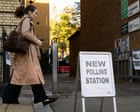
Holborn and St Pancras byelection results underway as voting concludes
The Holborn and St Pancras byelection has reached a critical juncture as polling stations have closed their doors, marking the end of voting in what political analysts describe as a significant test of Labour's ability to maintain control of this prestigious north London constituency. The Holborn and St Pancras byelection represents a crucial moment for the party's leadership, particularly in assessing whether current strategies can effectively consolidate support across the party's voter base.
The contest has generated considerable attention within political circles, with observers closely monitoring whether Andy Burnham's leadership approach can successfully unite fractured Labour voters, or whether the Green Party's candidate, Zack Polanski, can capitalise on disaffection within the party's progressive wing. This byelection serves as a barometer for understanding the current state of Labour's coalition and the party's standing among its traditional supporters in London.
Labour's challenge in retaining a historic seat
Labour faces the task of defending what has become a flagship constituency in the party's electoral portfolio. The seat was previously held by Keir Starmer, whose commanding electoral performance in the 2024 general election resulted in a substantial majority exceeding 11,000 votes. This substantial margin provides Labour with a considerable foundation, yet the byelection dynamic presents different challenges compared to general election campaigns.
The loss of a seat previously held by the party's leader would represent a significant symbolic blow to Labour's standing and could reverberate through internal party dynamics. Retaining Holborn and St Pancras would demonstrate the party's continued resilience in urban, metropolitan constituencies where Labour traditionally performs strongly. The seat's demographics favour a party with strong progressive credentials and appeal among younger, university-educated voters concentrated in central London.
Zack Polanski and the Green Party's strategic opportunity
The Green Party has positioned itself to challenge Labour's dominance through its candidate, Zack Polanski, who represents an alternative for voters concerned about environmental issues, cost of living pressures, and social justice matters. Polanski's campaign has specifically targeted those sections of Labour's electoral coalition who feel insufficiently represented by the party's current direction, particularly on issues such as climate change and international relations.
Green Party strategy in this byelection reflects a broader effort to demonstrate electoral viability beyond their traditional strongholds, targeting constituencies where they can construct winning coalitions by aggregating dissident Labour voters. The Green Party's performance in Holborn and St Pancras will provide valuable data about their capacity to compete effectively in metropolitan constituencies and whether they can maintain momentum in an increasingly crowded political marketplace.
Andy Burnham's leadership credentials on trial
The conduct and outcome of the Holborn and St Pancras byelection carries particular significance for Andy Burnham, whose ability to command loyalty across Labour's diverse membership and electorate faces scrutiny. Burnham's approach to party management and his capacity to bridge ideological divides within Labour's ranks represent central themes that this contest will illuminate. A strong Labour victory would reinforce Burnham's position, while a disappointing result could prompt questions about his strategic direction and party-building capacity.
The byelection therefore functions as a referendum on Burnham's leadership approach and his vision for Labour's future electoral coalition. Success in retaining Holborn and St Pancras would provide Burnham with a significant narrative achievement heading into subsequent electoral challenges, while failure would necessitate strategic reassessment within the party apparatus.
Voter turnout and demographic patterns
Byelection contests typically experience lower voter participation compared with general elections, presenting both challenges and opportunities for different parties. Labour benefits from strong organisational infrastructure and supporter loyalty, while insurgent challengers like the Greens must generate sufficient enthusiasm and turnout among their base to overcome systemic disadvantages inherent in byelection dynamics.
The final hours of voting in Holborn and St Pancras have concluded, and attention now shifts toward the counting process and results announcement, which will determine whether Labour successfully navigates this critical test of its electoral strength in metropolitan London.