Kindergarten Vaccination Rates Fall as Exemptions Rise
CDC data reveals declining MMR vaccination rates among kindergarteners while non-medical exemptions reach 4.2%, raising health concerns.
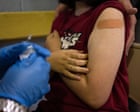
Kindergarten Vaccination Rates Show Concerning Decline
Recent findings from the Centers for Disease Control and Prevention reveal a troubling shift in kindergarten vaccination rates across the United States. The latest CDC report demonstrates that MMR vaccination coverage among kindergarteners has experienced a slight decline, while simultaneously non-medical exemptions have climbed to 4.2% – marking an unprecedented high. This divergence in kindergarten vaccination rates highlights growing hesitancy among parents regarding routine immunizations that have historically protected children from serious infectious diseases.
Understanding the Data Behind Kindergarten Vaccination Rates
The CDC released its comprehensive analysis of national kindergarten vaccination rates following increased public discourse about vaccine safety. While agency communications characterized the situation with measured language, stating that overall vaccination rates remain elevated, medical professionals quickly identified significant concerns embedded within the statistical trends. The kindergarten vaccination rates data reveals a nuanced picture: although vaccination coverage percentages remain relatively high in absolute terms, the directional movement represents a meaningful shift in immunization patterns.
Non-medical exemptions have become the primary driver of this kindergarten vaccination rates decline. These exemptions, which include philosophical and religious objections to vaccination, now represent the largest category of vaccination avoidance among school-aged children. The 4.2% figure for non-medical exemptions represents a substantial increase compared to historical baselines, suggesting that parental concerns about vaccines are increasingly translating into formal exemption requests.
Public Messaging and Its Impact on Vaccination Decisions
The timing of the CDC's announcement coincided with widespread circulation of claims about vaccine administration that have been widely disputed by medical authorities. Misinformation regarding vaccine appearance and composition has circulated through various media channels, contributing to an environment of uncertainty among parents making immunization decisions. Healthcare providers note that kindergarten vaccination rates have become sensitive to broader conversations about medical safety and personal autonomy.
Medical experts emphasize that accurate information about vaccine composition and administration is essential for maintaining public confidence in immunization programs. The kindergarten vaccination rates decline cannot be separated from the broader information environment in which vaccination decisions occur. Parents increasingly encounter conflicting narratives about vaccine safety, leading some to seek exemptions as a precautionary measure.
Implications of Declining Kindergarten Vaccination Rates
Public health officials express concern about the long-term implications of declining kindergarten vaccination rates. Historically, vaccination coverage above 95% has been necessary to maintain community immunity for diseases like measles. When kindergarten vaccination rates fall below this threshold, clusters of unvaccinated children create opportunities for disease transmission within schools and communities.
The MMR vaccine specifically protects against measles, mumps, and rubella – diseases that can cause serious complications including brain inflammation, deafness, and fetal abnormalities during pregnancy. Although these diseases have been rare in the United States for decades, the protection depends on sustained high vaccination coverage. Declining kindergarten vaccination rates threaten this hard-won disease control.
Non-Medical Exemptions: A Growing Trend
State-level policies regarding non-medical exemptions vary considerably, with some states offering expansive exemption options while others maintain stricter requirements. This patchwork of regulations creates significant variations in kindergarten vaccination rates across different regions. States with more accessible exemption processes consistently report higher rates of exemption usage.
Experts note that exemption rates tend to cluster geographically and within specific demographic communities. Understanding these patterns helps explain why overall kindergarten vaccination rates may remain high while specific schools or districts experience significantly lower coverage. This geographic variation in kindergarten vaccination rates has important implications for disease outbreak risk assessment.
Moving Forward: Addressing Vaccination Hesitancy
Medical professionals and public health authorities recognize that reversing the trend in kindergarten vaccination rates requires sustained engagement with parents and communities. Educational campaigns emphasizing the safety record of vaccines and the risks of vaccine-preventable diseases represent one strategy for addressing declining kindergarten vaccination rates. Healthcare providers are increasingly tasked with addressing parental concerns directly during clinical encounters.
The kindergarten vaccination rates data serves as a reminder that vaccine coverage cannot be taken for granted. Maintaining robust immunization programs requires ongoing investment in education, healthcare access, and community trust. As kindergarten vaccination rates continue to be monitored, policymakers and health officials face decisions about how to balance individual choice with community protection.