Lawmakers Warn Against Forced Passage of Assisted Dying Legislation
Cross-party MPs caution against using parliamentary procedures to bypass Lords scrutiny on assisted dying bill. Labour voices concern over unprecedented risk to...
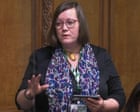
Cross-Party Concerns Over Assisted Dying Bill Passage
Members of Parliament from opposing sides of the assisted dying bill debate have jointly expressed serious reservations about employing extraordinary parliamentary tactics to circumvent continued resistance from the House of Lords. This unprecedented alignment reflects deep concerns about procedural integrity and the democratic process surrounding one of Britain's most contentious legislative matters in recent years.
The assisted dying bill has emerged as a defining issue separating lawmakers, yet figures including both proponents and opponents now find common ground on a singular point: the dangers of bypassing established parliamentary procedures to expedite passage. This shared anxiety transcends traditional party lines and demonstrates the gravity with which senior legislators view potential constitutional precedent.
Labour MPs Sound the Alarm
Two prominent Labour Members of Parliament have stepped forward with formal correspondence to their parliamentary colleagues, articulating measured but forceful objections to any attempt to force the legislation through using obscure procedural mechanisms. Gareth Snell, a Labour representative who voted in support of the assisted dying bill, and Meg Hillier, his party colleague who voted against it, have collaborated on a cautionary letter delivered at a critical juncture in parliamentary proceedings.
This bipartisan warning arrives at a pivotal moment, mere hours before Friday's scheduled parliamentary vote that could determine the trajectory of the entire legislative process. The timing underscores the urgency with which these lawmakers view the situation and their commitment to addressing potential procedural violations before irreversible action occurs.
The Case for Lords Scrutiny
Central to the MPs' appeal lies their conviction that the House of Lords must retain full authority to discharge its constitutional responsibilities in examining the assisted dying bill thoroughly. The Lords, as Britain's revising chamber, traditionally exercises extended deliberation on matters of profound moral, ethical, and social consequence. This bill, addressing end-of-life autonomy and medical ethics, unquestionably falls within such categories requiring comprehensive upper-chamber examination.
The two Labour legislators argue that circumventing this established review process would establish a troubling precedent for future governments and parliamentary majorities. They contend that utilizing obscure parliamentary mechanisms to override Lords resistance represents an "extraordinary risk" to democratic norms and constitutional balance, regardless of the underlying merits of the assisted dying bill itself.
Procedural Concerns and Democratic Principles
The warnings from Snell and Hillier specifically reference parliamentary procedures that, while technically available, remain rarely invoked precisely because their application signals breakdown in established legislative protocols. These mechanisms exist as extraordinary measures for genuine emergencies, not standard legislative management tools.
By characterizing forced passage as an "extraordinary risk," both MPs acknowledge that whatever substantive disagreements exist regarding end-of-life medical options, the procedural pathway matters equally. The integrity of parliamentary democracy depends upon majorities respecting established review processes and not weaponizing technical parliamentary rules to eliminate meaningful scrutiny.
Bipartisan Opposition to Procedural Shortcuts
What renders this intervention particularly significant is its cross-party composition. Snell's support for the assisted dying bill contrasts sharply with Hillier's opposition to the legislation, yet both prioritize procedural propriety above their substantive legislative positions. This suggests that concerns about bypassing Lords scrutiny extend beyond partisan calculation or specific policy outcomes.
Parliamentary veterans from both sides understand that establishing precedent for forcing legislation through the Lords via obscure procedures could have cascading consequences for future legislative sessions, regardless of which party controls the Commons. Today's procedural breach could become tomorrow's tool for opposing governments to deploy against current legislators' priorities.
Stakes Ahead of Friday Vote
The Friday parliamentary vote referenced in the MPs' letter represents a crucial decision point for the entire assisted dying bill process. How Commons members respond to Snell and Hillier's appeal will influence not only this particular legislation but also broader questions about parliamentary practice and constitutional governance.
The choice before lawmakers extends beyond assisted dying specifically. It encompasses fundamental questions about how democratic institutions function, whether procedural rules matter when majorities face determined opposition, and whether established review mechanisms maintain legitimacy or become obstacles to overcome through technical maneuvering.
Looking Forward
As Parliament navigates this complex legislative moment, the intervention by these two Labour MPs serves as a reminder that procedural integrity and substantive policy outcomes, while related, remain distinct concerns. Resolving disagreement over the assisted dying bill through legitimate parliamentary channels preserves democratic legitimacy, regardless of which position ultimately prevails. Conversely, forcing passage through extraordinary procedures risks compromising the legislation's legitimacy and establishing dangerous constitutional precedent for future Parliaments.