Mona Khalil: Lebanese Turtle Guardian Dies in Strike
Lebanese conservationist Mona Khalil, dedicated to protecting sea turtles, tragically killed during Israeli military operation. Her legacy of marine conservatio...
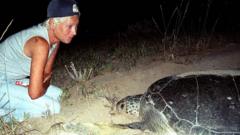
Lebanese Conservationist Mona Khalil Killed in Military Strike
Mona Khalil, a renowned Lebanese turtle conservationist whose unwavering commitment to protecting endangered sea turtles made her a symbol of environmental dedication in the Middle East, has died from injuries sustained in an Israeli military strike. The Lebanese turtle conservationist was found at the beach she had devoted years to safeguarding, refusing to abandon her post despite escalating regional tensions.
A Life Dedicated to Marine Conservation
Throughout her career, Khalil established herself as a leading figure in sea turtle protection efforts along Lebanon's Mediterranean coastline. Her work focused on preserving critical nesting habitats and raising awareness about the threats facing these ancient marine reptiles. The turtle conservationist's efforts had earned recognition from international environmental organizations and local communities who benefited from her educational initiatives.
The Final Day at Her Beloved Beach
On the fateful day of the incident, Khalil remained at the coastal location where she had spent countless hours monitoring turtle populations and protecting nesting sites. Despite warnings and the deteriorating security situation in the region, she chose to stay at her post. The Lebanese turtle conservationist believed her presence was essential to ensure the safety of the sea turtles during their vulnerable breeding season. Her decision to remain, rooted in deep professional and personal commitment, ultimately proved tragic.
Impact of the Israeli Strike
The military operation that resulted in Khalil's death underscores the devastating civilian impact of regional conflicts. Environmental activists and conservation experts worldwide have mourned the loss of a dedicated professional whose work transcended political boundaries. The incident highlights how armed conflicts can disrupt crucial environmental protection efforts and claim lives of those committed to preserving natural heritage.
Legacy in Marine Conservation
Khalil's contributions to turtle conservation extended beyond fieldwork. She had collaborated with international marine biology institutions, contributed to research publications, and mentored younger conservationists interested in sea turtle ecology. Her advocacy for protected marine areas influenced policy discussions in Lebanon and gained respect from regional environmental organizations.
The Broader Context of Environmental Protection
The loss of a dedicated turtle conservationist during an armed conflict raises critical questions about the vulnerability of environmental workers in conflict zones. Conservation efforts require long-term commitment and consistent presence in the field. When military operations disrupt these efforts, entire ecosystems and species protection programs suffer irreversible setbacks. The Lebanese turtle conservationist's death represents not only a personal tragedy but also a setback for marine biodiversity protection in the Eastern Mediterranean.
International Response and Remembrance
Environmental organizations, academic institutions, and conservation groups have issued statements honoring Khalil's memory and her significant contributions to sea turtle research and protection. Colleagues described her as fearless, dedicated, and deeply passionate about ensuring that future generations could witness the majesty of nesting sea turtles along Lebanon's shores. Her work documented important behavioral patterns and breeding cycles of loggerhead and green sea turtles in the region.
Continuing the Mission
Following Khalil's death, questions have emerged about the continuity of her conservation projects and the fate of the beach she protected. Local communities and international environmental groups are exploring ways to honor her legacy and maintain the protection standards she established. The turtle conservationist's death has galvanized renewed attention to the importance of safeguarding conservation workers and ensuring that vital environmental protection work can continue even during periods of conflict.


