NASA’s Chandra Observatory Reveals 22 Years of Cosmic X-Ray Recordings
NASA’s Chandra X-ray Observatory has released an expanded source catalogue spanning 22 years of observations, covering around 400,000 cosmic X-ray sources. The...
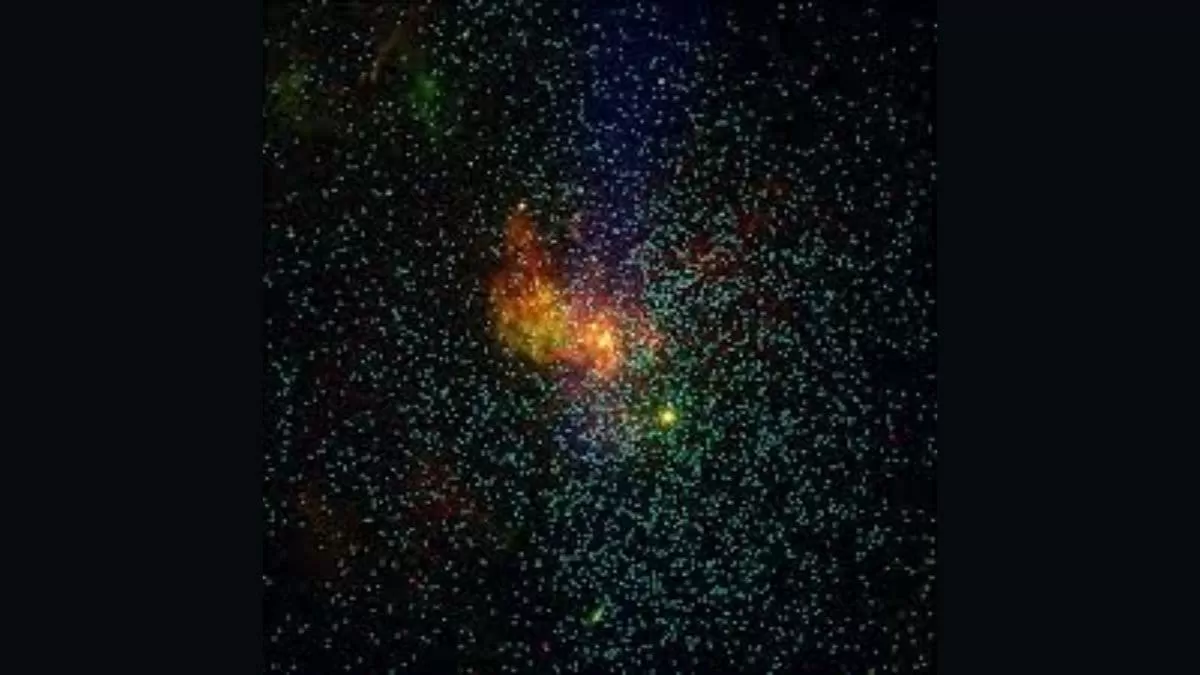
NASA's Chandra X-ray Observatory has been making groundbreaking discoveries in the field of astronomy for over two decades. Recently, the observatory released an expanded source catalogue that covers 22 years of observations and includes around 400,000 cosmic X-ray sources. This dataset is a result of the hard work and dedication of scientists and engineers at NASA and offers a comprehensive view of the dynamic X-ray sky.
The Chandra X-ray Observatory, launched in 1999, is one of NASA's Great Observatories, along with the Hubble Space Telescope and the Spitzer Space Telescope. It is designed to capture high-energy X-rays from objects in the universe, providing valuable insights into the most extreme and energetic events in the cosmos. Over the years, Chandra has observed a wide range of celestial objects, from black holes to supernova remnants, and has revolutionized our understanding of the universe.
The newly released catalogue is a significant milestone for the Chandra mission. It includes data from all of Chandra's observations since its launch, making it the most comprehensive X-ray source catalogue to date. This dataset is a treasure trove of information for astronomers and astrophysicists, providing a wealth of data on the X-ray emission from various objects in the universe.
One of the most exciting aspects of this catalogue is its long-term record of the dynamic X-ray sky. With 22 years of observations, scientists can now study the changes and evolution of X-ray sources over time. This is crucial for understanding the processes that drive these high-energy events and how they shape the universe. It also allows for the study of rare and transient events that may occur only once in a lifetime.
The catalogue also offers a unique opportunity for collaboration with other space telescopes, such as the Hubble Space Telescope and the upcoming James Webb Space Telescope. By combining data from these telescopes, scientists can gain a more comprehensive understanding of the objects and events in the universe. This collaboration has the potential to unlock new discoveries and push the boundaries of our knowledge even further.
According to Jonathan McDowell, an astrophysicist at the Harvard-Smithsonian Center for Astrophysics, "This catalogue is a goldmine for astronomers. It provides a long-term record of X-ray sources, allowing us to study their behavior and evolution in unprecedented detail." He also added, "The combination of Chandra's high-resolution X-ray images and Hubble's sharp optical images will give us a more complete picture of the universe."
The Chandra X-ray Observatory has been instrumental in many groundbreaking discoveries over the years. It has provided evidence for the existence of dark matter, captured the first images of a black hole, and revealed the secrets of the cosmic web. With the release of this expanded catalogue, Chandra continues to push the boundaries of our understanding of the universe.
The data from this catalogue will be freely available to scientists and the public, allowing for further research and discoveries. It will also serve as a valuable resource for future space missions and telescopes, providing a benchmark for comparison and calibration.
In conclusion, the release of the expanded source catalogue by NASA's Chandra X-ray Observatory is a significant achievement for the mission and the field of astronomy. It offers a comprehensive view of the dynamic X-ray sky and provides a long-term record of high-energy events in the universe. With the potential for collaboration with other space telescopes, this dataset has the potential to unlock new discoveries and deepen our understanding of the cosmos. The Chandra X-ray Observatory continues to be a vital tool in unraveling the mysteries of the universe, and we can't wait to see what new discoveries it will bring in the future.