Oil Tanker Threats in Middle East Hit Peak Levels Since Iran Conflict Began
Oil tanker security risks in the Middle East reach unprecedented heights since the Iran conflict started. Analysts warn of escalating attacks on shipping routes...
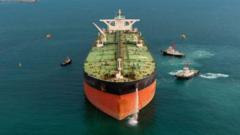
Oil Tanker Threats in Middle East Reach Critical Juncture
The escalating oil tanker threats in the Middle East have reached their most precarious level since the inception of the Iran conflict, according to maritime security experts and industry analysts. The situation has deteriorated significantly, forcing shipping companies to reassess their operational strategies and implement enhanced protective measures across critical waterways.
Recent developments indicate that oil tanker threats are becoming increasingly sophisticated and frequent, with multiple incidents reported along vital international shipping corridors. These attacks on alternative shipping routes have created a complex security landscape that demands immediate attention from international maritime authorities and government agencies.
Escalating Attacks on Shipping Routes
The frequency and intensity of attacks targeting commercial vessels have prompted significant concern within the shipping industry. Alternative routes have become strategic targets for hostile actors, forcing vessel operators to navigate through increasingly hazardous waters. Tanker captains and crew members face unprecedented challenges as they attempt to maintain global energy supplies while ensuring crew safety.
Industry analysts emphasize that current oil tanker threats represent a fundamental shift in maritime security dynamics. The complexity of the situation extends beyond traditional piracy concerns, encompassing coordinated attacks on infrastructure and deliberate targeting of energy transportation networks. This multifaceted threat environment requires sophisticated response mechanisms and international cooperation.
Impact on Global Energy Markets
The disruption to shipping routes carrying crude oil and refined petroleum products has immediate consequences for global energy prices and supply chains. Insurers have adjusted risk premiums substantially, increasing operational costs for shipping companies navigating these contested waters. The financial burden associated with enhanced security measures, longer transit routes, and higher insurance premiums ultimately affects energy consumers worldwide.
Maritime professionals report that vessel rerouting has become standard practice, adding significant time and expense to shipments. Some tankers now require armed security personnel aboard, additional navigational equipment, and modified sailing schedules to avoid high-risk zones. These defensive measures underscore the severity of oil tanker threats currently affecting Middle Eastern shipping lanes.
Regional Tensions and Geopolitical Factors
The current security crisis must be understood within the broader context of regional tensions and geopolitical conflicts. The Iran conflict has created an environment where multiple actors pursue competing interests through maritime disruption. Intelligence agencies monitoring the situation report coordinated patterns suggesting organized campaigns rather than isolated incidents.
Analysts point to the involvement of non-state actors and proxy forces, which complicates traditional diplomatic and military response strategies. The decentralized nature of these threats makes prevention particularly challenging and requires enhanced intelligence-sharing between maritime nations and coalition partners.
International Response and Countermeasures
Naval forces from multiple nations have increased their presence in critical shipping lanes to provide convoy protection and maritime surveillance. International maritime organizations have issued updated guidelines for vessel operators, recommending specific navigation protocols and communication procedures. Despite these efforts, the threats persist and continue to evolve.
Military and security analysts note that current countermeasures, while necessary, address symptoms rather than underlying causes. Long-term solutions require diplomatic engagement, regional stabilization efforts, and comprehensive strategies addressing the root causes of maritime conflict. The international community faces significant pressure to develop sustainable approaches to maritime security in contested waters.
Future Outlook for Maritime Security
Experts predict that oil tanker threats in the Middle East will remain elevated without substantial changes in regional political dynamics. Shipping companies must prepare for prolonged uncertainty, developing contingency plans and investing in advanced security technologies. Alternative transportation methods and diversified supply routes are being explored to reduce vulnerability.
The maritime industry is adapting to this new reality through technological innovation, enhanced crew training, and improved information-sharing networks. However, these adaptations require significant investment and coordination across multiple stakeholders. The long-term viability of regional shipping depends on international commitment to maintaining open and secure sea lanes for commercial vessels.


