Pakistan Hospital Fire Claims 14 Newborns as Safety Measures Questioned
A devastating fire at a Pakistan hospital resulted in 14 infant deaths. Hospital officials dispute claims about locked doors while authorities investigate safet...
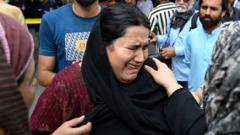
Tragedy Strikes Pakistan Hospital in Devastating Fire Incident
A catastrophic fire at a Pakistan hospital fire resulted in the deaths of 14 newborn babies, sparking widespread debate over facility safety protocols and emergency procedures. The incident has raised serious questions about how medical institutions in the region manage security and fire prevention measures, particularly in sensitive areas like neonatal wards where the most vulnerable patients require protection.
Eyewitness accounts from staff members and visitors present during the emergency suggest that restricted access to the affected ward may have hindered evacuation efforts. Multiple witnesses have provided statements indicating that entry and exit procedures were problematic during the critical moments when lives hung in the balance.
Hospital Administration Responds to Safety Allegations
In response to mounting concerns, hospital management has issued official statements to international media outlets, including the BBC. The administration firmly denies allegations that the ward entrance was sealed off or inaccessible during the fire. According to hospital representatives, the door to the neonatal unit was not locked but rather monitored by security personnel stationed at the entrance.
Hospital officials explain that the security presence was specifically designed to protect the vulnerable infant population from unauthorized entry and potential harm. They contend that trained guards were positioned to manage access while maintaining appropriate safety conditions for patients requiring intensive care and constant medical supervision.
Eyewitness Accounts Contradict Official Narrative
Despite the hospital's official position, numerous witnesses present during the incident have provided contradictory testimonies. Staff members and relatives of patients reported difficulty accessing the ward during the emergency, suggesting that security protocols may have impeded rather than facilitated a swift evacuation process.
The conflicting accounts between administration statements and witness reports have intensified scrutiny regarding the actual procedures in place. Investigators must determine whether security measures, regardless of their intended purpose, created barriers that prevented rapid response during the fire emergency.
Investigation Into Fire Origins and Response Procedures
Authorities are conducting a comprehensive investigation into the circumstances surrounding the blaze. Officials are examining multiple aspects of the incident, including how the fire began, how rapidly it spread through the facility, and whether emergency response protocols were followed correctly.
The investigation is particularly focused on understanding the evacuation timeline and identifying any factors that may have contributed to the high casualty rate among the most vulnerable patient population. Investigators are interviewing staff, security personnel, and witnesses to reconstruct the sequence of events that led to the tragic loss of 14 newborn lives.
Growing Concerns About Hospital Safety Standards
This incident has intensified broader discussions about healthcare facility safety standards across Pakistan's medical institutions. Patient safety advocates and medical professionals are calling for comprehensive reviews of fire prevention systems, emergency protocols, and security procedures in hospitals nationwide.
The tragedy highlights the critical importance of balancing security measures with emergency accessibility. Hospital administrators must ensure that protective measures for patients do not create unintended obstacles during life-threatening situations requiring immediate evacuation and emergency intervention.
Impact on Healthcare Policy and Facility Management
The incident is expected to influence future policy discussions regarding hospital safety regulations and emergency preparedness standards. Healthcare authorities may implement stricter requirements for neonatal units, including enhanced fire detection systems, automatic door release mechanisms, and revised emergency protocols.
Medical facility managers across the region are likely to review their current security arrangements in light of this tragedy, seeking to implement solutions that protect vulnerable patient populations without compromising rapid emergency access during crises. The challenge remains balancing necessary security measures with the imperative of ensuring swift evacuation when lives are at immediate risk.
Grieving Families Seek Answers and Accountability
Families of the deceased infants are demanding comprehensive explanations regarding what occurred during the fire and what preventive measures failed. Grieving parents and relatives are calling for transparency in the investigation and assurances that similar tragedies will not occur at other healthcare facilities.
The emotional and psychological impact on hospital staff, patients' families, and the broader community is profound. Many are questioning whether existing safety protocols were adequate and whether the hospital's security arrangements inadvertently contributed to the catastrophic loss of young lives.


