Rising Energy Bills: Smart Ways to Reduce Your Monthly Costs
Discover practical strategies to manage rising energy bills effectively. Learn actionable tips to lower your household expenses and save money on utilities toda...
Understanding the Challenge of Rising Energy Bills
Rising energy bills have become a significant concern for households across the country, affecting family budgets and overall financial planning. As utility costs continue to climb, many consumers find themselves searching for practical solutions to manage their expenses without sacrificing comfort or convenience.
Why Are Energy Costs Increasing?
Several factors contribute to the recent surge in household energy expenses. Global energy market fluctuations, increased demand for utilities, infrastructure maintenance costs, and regulatory changes all play a role in driving up prices. Understanding these underlying causes helps households appreciate the importance of implementing cost-saving measures.
Market Pressures and Supply Chain Issues
The energy sector has faced unprecedented challenges in recent years, including supply chain disruptions and increased wholesale costs. These pressures directly translate to higher bills for residential consumers, making it essential for households to take proactive steps in managing their energy consumption.
Practical Strategies to Control Your Energy Expenses
While rising energy bills may seem inevitable, numerous proven methods can help you maintain control over your household energy costs. Implementing these strategies doesn't necessarily require significant lifestyle changes or major investments.
Optimize Your Home's Insulation and Air Sealing
One of the most effective ways to reduce energy consumption is improving your home's thermal efficiency. Proper insulation in walls, attics, and basements prevents heat loss during winter and heat gain during summer. Sealing air leaks around windows, doors, and utility penetrations can significantly decrease the workload on your heating and cooling systems, directly impacting your energy bills.
Upgrade to Energy-Efficient Appliances
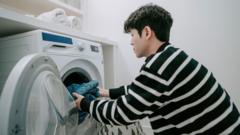
Modern appliances rated with ENERGY STAR certification consume considerably less electricity than older models. While the initial investment may seem substantial, the long-term savings on energy bills often justify the expense. Refrigerators, washing machines, water heaters, and HVAC systems are key areas where upgrading can yield substantial reductions in household energy costs.
Install a Smart Thermostat System
Smart thermostats learn your household's temperature preferences and adjust settings automatically to minimize unnecessary heating or cooling. These devices can reduce energy consumption by up to 15% annually, providing measurable decreases in your energy bills while maintaining consistent comfort levels throughout your home.
Behavioral Changes That Save Money
Beyond physical upgrades, simple behavioral modifications can significantly impact your household energy costs. These changes require minimal investment but demand consistent attention and awareness from household members.
Adjust Temperature Settings Strategically
Lowering your thermostat by just a few degrees during winter or raising it during summer can produce noticeable savings. Programmable adjustments when you're away from home or sleeping can further optimize energy use without affecting your comfort during active hours.
Utilize Natural Lighting and Manage Artificial Lighting
Maximizing daylight exposure reduces dependence on artificial lighting throughout the day. When artificial lighting is necessary, switching to LED bulbs can cut lighting energy consumption by up to 75% compared to traditional incandescent bulbs, significantly lowering your energy bills over time.
Monitor and Control Phantom Power Consumption
Many household devices consume electricity even when turned off, known as phantom power or standby drain. Unplugging devices when not in use or installing smart power strips that eliminate standby power consumption can reduce unnecessary energy expenses.
Water Heating Efficiency
Water heating typically represents a substantial portion of household energy bills. Reducing hot water usage through shorter showers, fixing leaks promptly, and insulating hot water pipes can decrease these costs. Installing low-flow fixtures further optimizes water usage without compromising functionality.
Consider Renewable Energy Options
For homeowners willing to make larger investments, renewable energy solutions like solar panels can provide long-term protection against rising energy bills. Though initial costs are significant, government incentives and tax credits often make these installations more affordable while offering decades of energy savings.
Take Action Today
Managing rising energy bills requires a combination of strategic investments, efficiency upgrades, and mindful daily habits. By implementing these recommendations, households can effectively control their energy expenses and protect themselves against future price increases. Start with the most affordable modifications and gradually incorporate additional strategies as your budget allows.


