Rocket Lab Successfully Launches NEONSAT-1A on Bridging the Swarm Mission
Rocket Lab successfully launched South Korea’s NEONSAT-1A satellite on January 29, 2026, completing the delayed Bridging the Swarm mission from New Zealand. Dep...
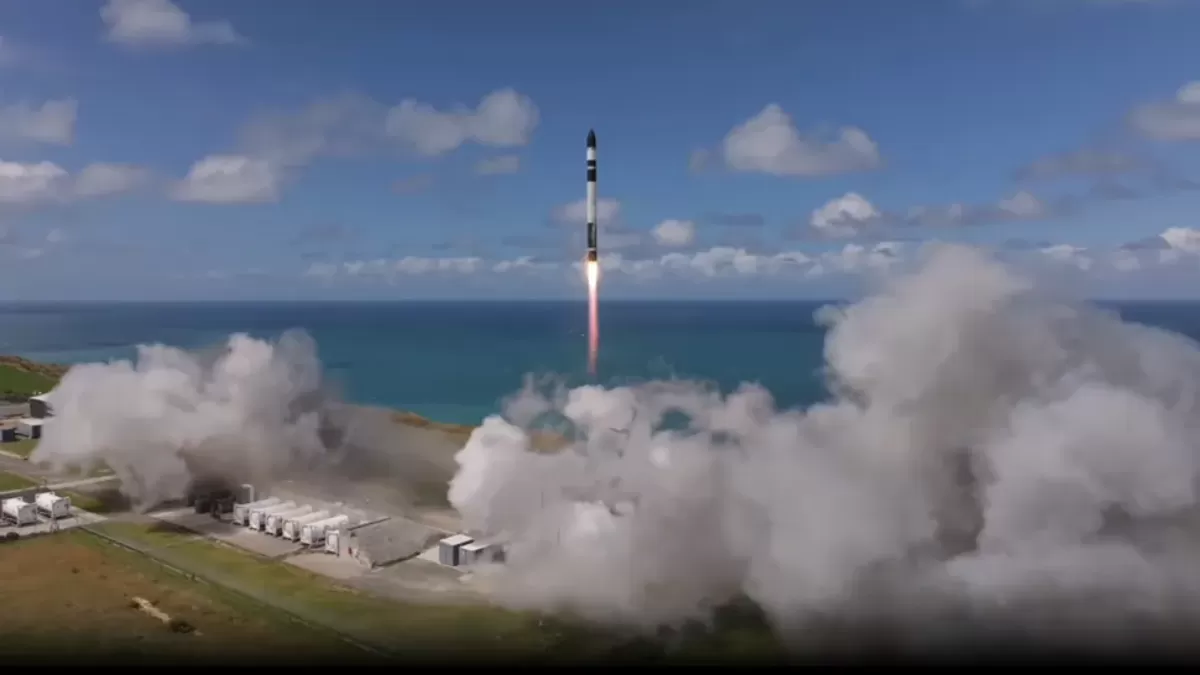
Rocket Lab, a private space company, has once again proven its capabilities by successfully launching South Korea's NEONSAT-1A satellite on January 29, 2026. The satellite was deployed into a 540-kilometer orbit, marking the completion of the delayed Bridging the Swarm mission from New Zealand. This launch was not only a significant achievement for Rocket Lab, but it also holds great importance for South Korea as the satellite will play a crucial role in monitoring natural disasters across the Korean Peninsula.
The NEONSAT-1A satellite is an Earth-observation spacecraft equipped with advanced optical sensors that will deliver near-real-time imagery to aid in emergency response and environmental monitoring efforts. This technology will provide valuable data to help authorities respond quickly and efficiently to natural disasters, such as earthquakes, floods, and typhoons, that often occur in the region.
The successful launch of the NEONSAT-1A satellite marks Rocket Lab's second mission of 2026 and its 81st Electron flight overall. This is a remarkable achievement for the company, which has established itself as a leader in the small satellite launch market. With a track record of successful launches and a growing portfolio of clients, Rocket Lab has solidified its position as a reliable and innovative player in the space industry.
The delayed Bridging the Swarm mission was originally scheduled for 2025 but faced setbacks due to technical issues. However, with their determination and expertise, Rocket Lab's team was able to overcome these challenges and ensure a successful launch in 2026. This is a testament to the company's commitment to delivering cutting-edge technology and services to its clients.
The NEONSAT-1A satellite is a joint project between South Korea's National Institute of Environmental Research and the Korea Aerospace Research Institute. This collaboration highlights the growing interest of countries in utilizing space technology for environmental monitoring and disaster response. With the help of Rocket Lab's advanced launch capabilities, South Korea has taken a significant step towards strengthening its disaster management and response capabilities.
The successful launch of the NEONSAT-1A satellite also showcases Rocket Lab's commitment to its mission of making space more accessible and affordable. By utilizing their innovative Electron rocket, the company has been able to provide cost-effective solutions for satellite launches, opening up opportunities for small satellite operators and government agencies to access space.
Rocket Lab's CEO, Peter Beck, expressed his excitement and pride in the successful launch, stating, "We are thrilled to have successfully launched the NEONSAT-1A satellite and contribute to South Korea's efforts in disaster management and response. This mission truly showcases the capabilities of our Electron rocket and the dedication of our team to deliver on our promises."
The launch of the NEONSAT-1A satellite is not only a significant achievement for Rocket Lab but also a step towards a more sustainable and resilient future for South Korea. With its advanced technology and expertise, Rocket Lab is playing a crucial role in shaping the future of space exploration and contributing to the betterment of society.
In conclusion, Rocket Lab has once again proven its capabilities by successfully launching the NEONSAT-1A satellite for South Korea. This mission not only showcases the company's advanced technology and expertise but also highlights the growing importance of space technology in disaster management and response efforts. With its commitment to making space more accessible and affordable, Rocket Lab is paving the way for a brighter future in space exploration.