Russian Opposition Leader Sentenced to 11 Years in Prison
Russian anti-war politician Lev Schlosberg convicted of discrediting the army. The 11-year sentence sparks international criticism over freedom of expression.
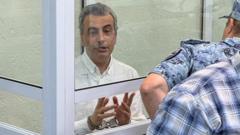
Russian Opposition Leader Faces Lengthy Prison Term
A prominent Russian opposition leader has been sentenced to 11 years in prison following his conviction on charges widely regarded as politically motivated. The Russian opposition leader's case represents a significant escalation in legal action against dissenting voices within the country, drawing international scrutiny and concerns about judicial independence.
Details of the Conviction
The individual at the center of this case was found guilty of "discrediting" Russia's armed forces, a charge that has become increasingly common against critics of military operations. Legal experts argue that such convictions constitute a form of political retaliation disguised as ordinary criminal prosecution. The verdict carries substantial prison time, signaling a hardening stance toward public dissent regarding military affairs.
The Defendant's Position
Throughout the trial proceedings, the accused has consistently maintained that the charges stem directly from his political opposition to current government policies. He characterizes the conviction as punishment for exercising fundamental rights of speech and political expression. His legal team contends that the verdict violates international standards regarding freedom of expression and political participation.
International Implications
This sentencing of the Russian opposition leader has prompted reactions from democratic nations and human rights organizations globally. Many Western governments have expressed concern about the erosion of civil liberties within Russia, particularly regarding the criminalization of peaceful political speech. The case exemplifies what critics describe as a pattern of using the judicial system to silence opposition voices.
Historical Context of Political Trials
The Russian opposition leader's conviction fits within a broader pattern of legal actions against dissenting figures over recent years. Legislation prohibiting statements deemed to "discredit" the military has become a tool for prosecuting critics of government military operations. Legal scholars note that these laws are applied selectively against political opponents while rarely affecting government supporters.
Challenges to Civil Liberties
Defense advocates argue that the conviction raises serious questions about the independence of Russia's judicial system. The charges against the Russian opposition leader lack traditional elements of criminal conduct, instead targeting political speech and viewpoints. International legal observers have described the trial as failing to meet standards of due process and fair adjudication found in democracies.
Future Outlook and Support
The sentencing of this Russian opposition leader is likely to intensify debates about political freedom and judicial fairness within the country and internationally. Supporters of the convicted individual continue to mobilize, calling for his release and legislative reforms. The case underscores ongoing tensions between government authority and individual rights within Russia's political landscape.


