Scientists Track Rapidly Growing Sunspot Behind Intense Solar Storms Toward Earth
A rapidly expanding sunspot has transformed the Sun into a solar flare powerhouse, producing more than 20 mid-level flares and several extreme eruptions in just...
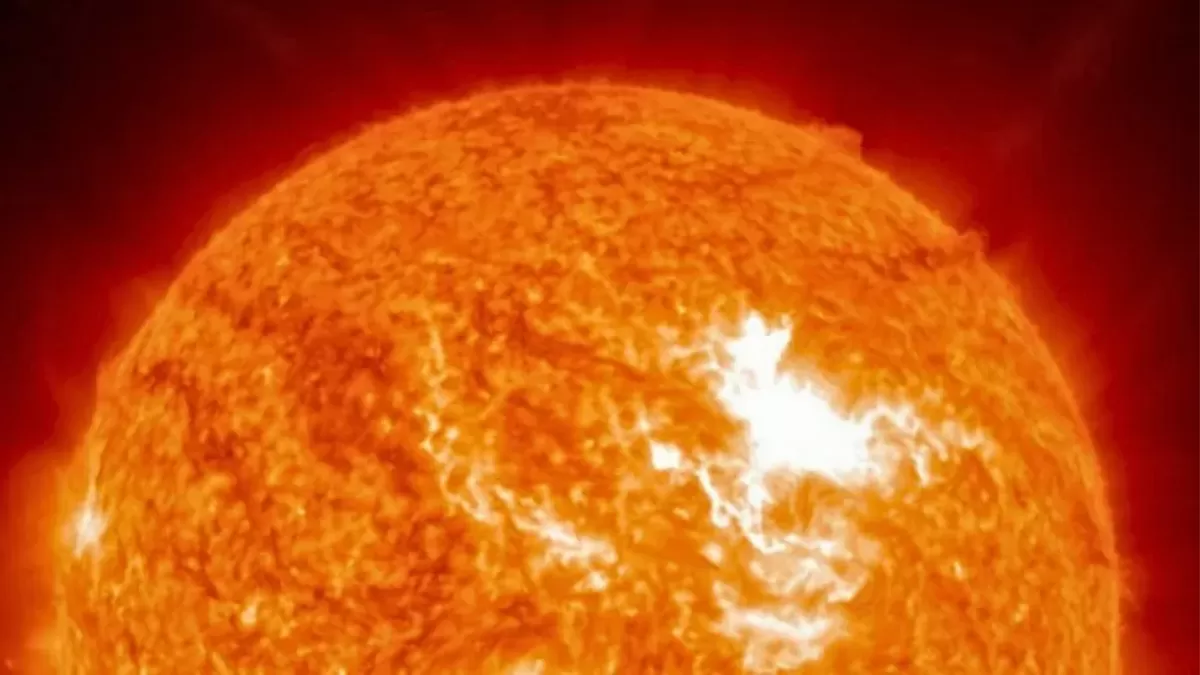
The Sun, our closest star, is constantly changing and evolving. But in recent days, it has caught the attention of scientists and space enthusiasts alike with its rapid transformation into a solar flare powerhouse. A massive sunspot has emerged, unleashing a series of intense solar flares and eruptions that have the potential to impact our daily lives here on Earth.
In just one day, this sunspot has produced more than 20 mid-level flares and several extreme eruptions. This is a significant increase compared to the usual solar activity we see from the Sun. The region responsible for these intense solar flares is now facing Earth, and scientists are closely monitoring the situation to track potential impacts.
One of the main concerns is the potential for radio blackouts. Solar flares are known to disrupt radio communications, especially in the high-frequency range. This can cause interruptions in communication systems, such as satellite communications, which are crucial for various industries and services, including aviation, maritime, and emergency response. However, with advanced warning systems and preparedness measures in place, the impact of these disruptions can be minimized.
Another potential impact of these solar flares is interference with satellites orbiting Earth. These eruptions can release a large amount of energy and charged particles, which can damage sensitive satellite equipment. This can lead to temporary disruptions in services such as GPS navigation, television broadcasts, and internet connectivity. However, scientists and engineers have developed techniques to shield satellites from these effects, and they are continuously monitoring the situation to ensure the safety of these vital systems.
But it's not all bad news. These intense solar flares also bring the potential for a spectacular show in the sky – the auroras. Auroras, also known as the Northern and Southern Lights, are a natural phenomenon that occurs when charged particles from the Sun interact with Earth's magnetic field. These particles are funneled towards the poles, where they collide with gases in the atmosphere, creating a dazzling display of lights in the sky. With the recent increase in solar activity, we can expect to see some stunning auroras in the coming days.
While these solar flares and eruptions may seem alarming, they are a natural part of the Sun's cycle. The Sun goes through periods of high and low activity, with the current phase being the peak of its 11-year cycle. This means we can expect to see more intense solar activity in the coming months, with the potential for even more powerful solar flares and eruptions.
But why should we care about what's happening on the Sun? Well, for starters, the Sun is the source of all life on Earth. It provides us with warmth, light, and energy, making it essential for our survival. But it also has the power to disrupt our technology and communication systems, reminding us of how interconnected our world is with the Sun.
Furthermore, studying the Sun and its activity can help us better understand other stars in our galaxy and beyond. The more we learn about the Sun, the more we can understand the processes that drive our universe and potentially predict and prepare for future solar events.
In conclusion, the rapidly expanding sunspot on the Sun has transformed it into a solar flare powerhouse, with the potential to impact our daily lives here on Earth. While we must be mindful of the potential disruptions, we should also appreciate the beauty and wonder that these solar flares bring. So keep an eye on the sky, and don't forget to look up and admire the spectacular auroras that may grace our skies in the coming days.