Trident Submarine Renewal Drives UK Defence Investment Strategy
Andy Burnham emphasises Trident renewal as key to defence spending and reindustrialisation across British communities and industrial sectors.
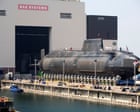
Trident Renewal at Centre of Defence Strategy
The ongoing Trident renewal programme represents a cornerstone of contemporary defence spending policy in the United Kingdom. Prime Minister Andy Burnham is positioning nuclear submarine modernisation as integral to his broader agenda for economic revitalisation, particularly through substantial industrial investment in manufacturing hubs across the nation.
During an official visit to Barrow-in-Furness this week, the government will unveil the subsequent phase of the Trident renewal initiative. This strategic announcement underscores the administration's commitment to leveraging defence procurement as a catalyst for community development and regional prosperity.
Defence Investment as Economic Stimulus
The Dreadnought-class submarine programme exemplifies how defence expenditure can simultaneously serve security objectives and economic objectives. With a total investment reaching £31 billion, these advanced nuclear vessels represent among the most significant defence projects undertaken by the British government in recent decades.
Andy Burnham's administration views this substantial financial commitment through a dual lens—strengthening national defence capabilities whilst simultaneously establishing a model for reindustrialisation. The Cumbrian shipyard at Barrow-in-Furness has emerged as the principal construction hub for this cutting-edge platform, generating employment opportunities across multiple sectors within the region.
Reindustrialisation Through Defence Procurement
The prime minister intends to leverage the Trident renewal narrative to demonstrate how strategic defence spending transcends military considerations alone. Rather, such investments function as strategic mechanisms for economic regeneration, particularly in communities historically dependent on traditional manufacturing sectors.
The Dreadnought-class submarines demand sophisticated engineering capabilities, advanced materials science, and specialised technical expertise. These requirements have catalysed the development of skilled workforce pathways and technological innovation across Cumbria and surrounding regions. Local suppliers, subcontractors, and support industries benefit substantially from the cascading economic effects of major defence programmes.
National Security and Industrial Resilience
The nuclear deterrent modernisation programme addresses critical defence imperatives whilst simultaneously serving as infrastructure for long-term industrial capacity building. Government officials emphasise that Trident renewal secures Britain's strategic position within international security frameworks whilst nurturing domestic industrial competitiveness.
By concentrating advanced manufacturing at Barrow-in-Furness, the UK maintains sovereign capability in critical defence systems. This geographical concentration supports knowledge preservation, technical excellence, and the retention of skilled personnel within British facilities rather than outsourcing to international competitors.
Community and Economic Impact
Beyond the headline investment figure, the Trident renewal programme generates measurable community benefits. Direct employment at construction facilities, supply chain opportunities for regional businesses, apprenticeship schemes, and infrastructure development all emanate from defence spending concentration in economically strategic locations.
The government's framing of defence investment as community revitalisation represents a deliberate repositioning of how substantial military expenditure is communicated to the broader electorate. Rather than presenting Trident renewal as purely military necessity, the administration contextualises such spending within narratives of regional development and economic opportunity.
Looking Forward
The next phase of the nuclear submarine replacement programme promises continued economic activity and employment generation across multiple years. As the Trident renewal programme advances, additional announcements regarding production timelines, supply chain development, and workforce expansion are anticipated.
Andy Burnham's emphasis on Trident renewal as central to defence spending policy reflects contemporary political recognition that military capability and economic development are increasingly intertwined. The Dreadnought-class programme demonstrates how strategic defence investments can serve dual purposes—protecting national interests whilst simultaneously establishing frameworks for sustainable, high-skilled economic activity in communities across Britain.