Trump Issues Warning to Iran's Negotiator at Swiss Talks
Trump threatens military action against Iran during negotiations in Switzerland, demanding Hezbollah restraint in Lebanon. Key diplomatic developments.
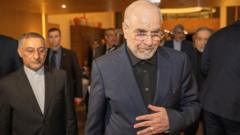
Trump Escalates Rhetoric During Swiss Negotiations
Tensions have intensified as discussions unfold in Switzerland involving Iran's chief negotiator, with the US president escalating his stance through explicit warnings. Trump, though physically absent from the negotiation table, has made it unequivocally clear that military intervention remains a viable option should Iran fail to exercise adequate control over Hezbollah operations in Lebanon. This public declaration marks a significant shift in the tone of diplomatic engagements, introducing an element of urgency to ongoing discussions.
The Central Demand: Hezbollah Restraint
At the heart of Trump's ultimatum lies a singular demand: Iran must meaningfully restrict Hezbollah's military activities and presence within Lebanese territories. The administration views this Lebanese proxy force as a critical flashpoint in regional stability. By conditioning diplomatic progress on Hezbollah's operational limitations, Washington is attempting to leverage negotiating power and establish clear parameters for what it considers acceptable Iranian behavior in the Middle East.
Strategic Absence and Political Messaging
Trump's decision to remain absent from the Swiss talks while issuing pronounced threats reveals a calculated diplomatic strategy. His remote warnings serve multiple purposes: maintaining leverage in negotiations, appealing to domestic constituencies concerned with Middle Eastern security, and signaling to regional allies that the United States maintains an assertive posture. This approach allows the president to remain unpredictable while still maintaining a presence in discussions through his explicit threats regarding Iran's future.
Iran's Response and Counterposition
Iran's negotiator has responded with corresponding warnings and statements, creating a cycle of escalating rhetoric. Rather than backing down, the Iranian delegation has reaffirmed its commitment to supporting allied groups throughout the region, including Hezbollah in Lebanon. This intransigence suggests that both parties are currently locked in a phase of posturing, with each side testing the other's resolve and commitment to stated positions.
Regional Implications and Security Concerns
The threat of military action carries substantial weight given previous US interventions and military capabilities in the region. Lebanon, already struggling with economic collapse and political instability, faces potential devastation should any armed conflict escalate. Hezbollah's integration into Lebanese society and political structures means that any military campaign against the organization would inevitably impact civilian populations and further destabilize an already fragile nation.
Diplomatic Channels Under Strain
The harsh language emerging from Washington suggests that traditional diplomatic channels may be suffering from considerable strain. When a sitting president publicly threatens military action against another nation during ongoing negotiations, it raises fundamental questions about the viability and sincerity of the diplomatic process itself. Expert observers have noted that such public threats often complicate rather than facilitate productive negotiations, hardening positions on both sides.
International Response and Concerns
European nations and other international actors monitoring the Switzerland talks have expressed concern about the escalating rhetoric. The prospect of military conflict in the Middle East carries implications extending far beyond the immediate region, affecting energy markets, international security, and global economic stability. Several diplomatic observers have called for de-escalation and renewed commitment to dialogue-based solutions.
The Path Forward
As negotiations continue in Switzerland, the central question remains whether Iran's leadership will modify its support for Hezbollah in response to Trump's explicit threats, or whether both nations will remain entrenched in their respective positions. The outcome of these talks could substantially shape Middle Eastern geopolitics for years to come, determining whether diplomatic channels remain viable or whether military confrontation becomes increasingly probable.


