Trump's Economic D-Day: Will Iran's Resilient Economy Crumble?
Explore how Trump's latest economic sanctions could impact Iran's already struggling economy. Analysis of potential consequences and Iran's ability to adapt.
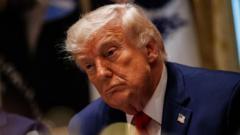
Understanding Trump's Economic D-Day Strategy Against Iran
Trump's economic D-Day represents a comprehensive approach to intensify pressure on Iran's already vulnerable financial system. The new sanctions framework aims to disrupt Tehran's access to international markets and restrict its ability to generate revenue through conventional trade channels.
Iran's Historical Response to Economic Pressure
Throughout the past decade, Iran has demonstrated considerable ingenuity in circumventing multiple layers of international sanctions. The nation's financial institutions, energy sector, and business leaders have developed sophisticated networks to maintain economic operations despite severe restrictions on banking, trade, and investment.
Iran's government has invested heavily in developing alternative economic mechanisms to insulate its economy from external pressure. These include creating parallel financial systems, fostering regional trade partnerships outside traditional Western frameworks, and encouraging domestic production to reduce import dependency. Such adaptive strategies have allowed Iranian entities to continue conducting business despite previous sanctions regimes.
The Scope and Scale of New Economic Measures
Trump's proposed economic sanctions package targets critical sectors fundamental to Iran's revenue generation. The strategy focuses on limiting Iran's oil exports, restricting access to banking infrastructure, and preventing technology transfers that the nation requires for industrial development.
The sanctions architecture extends beyond traditional restrictions. It incorporates measures designed to increase the cost of sanctions evasion, making it progressively difficult for Iranian businesses to find alternative routes for conducting international commerce. Secondary sanctions against nations and companies facilitating Iranian trade aim to create a more comprehensive enforcement mechanism.
Potential Economic Consequences for Tehran
Iran faces unprecedented challenges if Trump's economic D-Day sanctions achieve their intended impact. The oil sector, which generates approximately 80 percent of government revenue, could experience significant output reduction. Decreased export capacity would directly diminish state revenues needed for essential services and infrastructure investment.
Banking sector restrictions could prevent Iran from accessing international financial markets, complicating currency management and creating liquidity challenges. Foreign direct investment would likely decline substantially, limiting capital available for economic modernization. The combination of revenue loss and investment restrictions could force difficult budgetary choices regarding social spending and economic development initiatives.
Comparative Analysis: Previous Sanctions Versus Current Threats
While Iran previously adapted to multilateral sanctions imposed during the Obama administration, the current environment presents distinct challenges. Previous restrictions coexisted with the Joint Comprehensive Plan of Action (JCPOA), which provided a pathway for sanctions relief. The absence of such negotiated frameworks reduces diplomatic off-ramps and may limit Tehran's options for relief.
The technological landscape has also shifted, making sanctions evasion more difficult. International compliance mechanisms have strengthened, enforcement capabilities have improved, and financial institutions face heightened scrutiny regarding Iran-related transactions. These structural changes reduce the effectiveness of previously successful workaround strategies.
Iran's Potential Adaptation Strategies
Despite facing severe economic pressure, Iran will likely employ multiple strategies to mitigate sanctions impact. Deepening economic relationships with nations less influenced by Western policy, particularly China and Russia, offers potential alternatives to Western trade networks.
Domestic policy adjustments could redirect resources toward self-sufficiency programs, maximizing local production capacity and reducing external dependency. The government may implement austerity measures, prioritize critical sectors, and pursue non-oil revenue diversification. Cryptocurrency and alternative payment mechanisms could supplement conventional financial channels.
Broader Geopolitical Implications
Trump's economic D-Day strategy extends beyond immediate financial consequences. Severe economic pressure could destabilize Iran's internal political landscape, creating uncertainty regarding government stability and regional security. Economic hardship historically correlates with social unrest, potentially triggering domestic tensions.
Conversely, unified economic pressure might strengthen nationalist sentiment, consolidating political support around resistance to foreign intervention. The outcome depends substantially on how effectively sanctions are enforced and how successfully Iran implements countermeasures.
Expert Assessments and Prognosis
Economic analysts debate whether Trump's approach will achieve its stated objectives. Proponents argue that comprehensive sanctions, when coordinated internationally, create insurmountable obstacles to economic operation. Critics contend that Iran's demonstrated adaptability and access to alternative trading partners limit sanctions effectiveness, particularly without international consensus.
The ultimate impact of Trump's economic D-Day on Iran will emerge gradually, dependent upon enforcement rigor, international participation, and Tehran's creative responses. Iran's historical resilience suggests significant challenges lie ahead, yet determining whether current sanctions will fundamentally alter Iran's economic trajectory remains uncertain.


