Tupac Murder Suspect Confessed Nephew Fired Fatal Shots in 2008
Duane Davis told police his nephew fired the fatal shots in Tupac's murder. Recording of 2008 detective interview revealed in court proceedings.
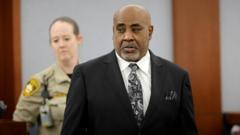
Tupac Murder Suspect's Critical 2008 Police Statement
A significant development in the decades-long investigation into Tupac Shakur's death emerged when evidence revealed that Duane Davis, the primary suspect, confessed to police in 2008 that his nephew was responsible for firing the fatal shots. This admission, captured in a recorded police interview, has become crucial evidence in the ongoing legal proceedings surrounding one of hip-hop's most infamous unsolved murders.
The Recorded Interview Presented to Jury
During court proceedings, detectives played a recording of the 2008 interview with Duane Davis to the jury, marking a pivotal moment in the case. The Tupac murder suspect's own words, documented years ago by law enforcement, provided direct testimony about his knowledge and involvement in the shooting. This audio evidence allowed jurors to hear Davis's account firsthand rather than relying solely on witness testimony or circumstantial evidence.
What Davis Revealed to Detectives
In the recorded statement, Davis detailed his account of the circumstances surrounding the fatal incident. His admission regarding his nephew's alleged role in the shooting provided investigators with a specific named individual connected to the crime. This revelation shifted the focus of the investigation and offered law enforcement a clearer understanding of the chain of events that led to Tupac Shakur's death on September 7, 1996, in Las Vegas.
The Significance of the 2008 Interview
The fact that Davis made these statements to police over a decade before formal charges were filed demonstrates the complexity of building a case in this particular homicide investigation. Law enforcement maintained the recorded interview as evidence throughout the years, suggesting they recognized its potential value in prosecuting the case. The delayed prosecution timeline reflected the challenges investigators faced in gathering sufficient corroborating evidence to support formal charges.
Impact on Current Legal Proceedings
Presenting the audio recording to the jury served multiple strategic purposes in the trial. First, it established that Davis had admitted knowledge of the shooting and could identify the individual he believed responsible. Second, it demonstrated that his statements were consistent with other evidence gathered during the investigation. Third, the recording provided context about how investigators conducted their questioning and what Davis voluntarily disclosed during the interview.
Tupac's Murder: A Case That Haunted Hip-Hop Culture
The death of Tupac Amaru Shakur in 1996 represented a watershed moment in American popular culture. The renowned rapper was killed in a drive-by shooting while seated in a BMW driven by Marion Knight, Death Row Records founder, in Las Vegas. The case remained unsolved for nearly three decades, becoming one of the most high-profile cold cases in United States history.
Why This Case Remained Open for Decades
Multiple factors contributed to the prolonged investigation period. Witness intimidation, gang-related complications, and the transient nature of key individuals involved all made the Tupac murder suspect identification difficult. Additionally, the initial investigation faced challenges in gathering reliable witnesses willing to testify about what they observed the night of the shooting.
Building the Case Against Duane Davis
The prosecution's strategy relied heavily on connecting Davis to the shooting through various forms of evidence. Beyond the 2008 recorded interview, investigators gathered testimony from witnesses, reviewed gang affiliations, and examined communications that allegedly linked Davis to the crime. The Tupac murder suspect's own admission about his nephew provided what prosecutors considered a breakthrough in finally bringing charges in this long-dormant case.
The Role of Gang Dynamics in the Investigation
Investigators determined that the crime was connected to gang-related conflicts that existed in Las Vegas during the 1990s. Davis's alleged connections to gang activity provided context for why he might have been involved in or known about the shooting. Understanding these dynamics proved essential to the prosecution's narrative about motive and opportunity.
Court Proceedings and Evidence Presentation
The decision to play the 2008 recorded interview to the jury represented a calculated move by prosecutors to establish Davis's credibility as a witness against himself. By allowing jurors to hear his own voice and observe his demeanor during the police questioning, the prosecution believed they could demonstrate his knowledge of the crime and his awareness of who committed it.
The Defense Perspective
Defense attorneys likely challenged the reliability and admissibility of statements made over a decade before formal charges. Questions about whether Davis had counsel present, whether his rights were properly read, and whether the statement was given voluntarily all became relevant to the defense strategy. The context in which the Tupac murder suspect made these statements would be subject to legal scrutiny.
Implications for Cold Case Investigations
This case exemplifies how cold case investigations can benefit from preserved evidence and documented police interactions. The recording of the 2008 interview demonstrated the value of thoroughly documenting investigative work, even when prosecution may not be immediately possible. Years later, that preserved audio could provide the crucial evidence needed to move a case forward.
The resolution of the Tupac murder suspect prosecution, based partly on evidence from years-old police interviews, may serve as a model for other long-unsolved cases. It highlights the importance of maintaining detailed records and continuing investigative efforts despite the passage of time. For the hip-hop community and Tupac's family, the advancement of this case represented a long-awaited opportunity for justice in one of the entertainment industry's most tragic losses.


