UK Airlines Face Ban on Child Seating Charges
UK government plans to ban airlines from charging parents to sit with children under 14. New rules also eliminate name correction fees on bookings.
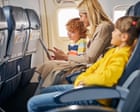
New Government Initiative Targets Airlines Charging Parents for Child Seating
The UK government has unveiled comprehensive plans to prevent airlines from charging parents for the right to sit with their children during flights. This regulatory overhaul represents a significant shift in how the aviation industry operates, particularly concerning family travel arrangements and passenger rights.
Under the proposed legislation, airlines charging parents for adjacent seating with their offspring would face strict penalties. The new framework mandates that all passengers aged under 14 must be seated next to a parent or accompanying adult without incurring additional fees. This rule applies across all commercial flights operating from UK airports.
Understanding the Scope of the Ban
The prohibition on airlines charging parents extends beyond simple seating arrangements. The government's regulatory approach addresses a broader spectrum of family-related flight expenses that have historically burdened travelers. Aviation authorities recognize that these incremental charges accumulate rapidly, transforming what initially appears as modest fees into substantial additional costs.
Presently, numerous carriers employ premium seating models that force families to select specific seat allocations or face separation during flights. Parents frequently encounter situations where maintaining proximity to minor children requires purchasing expensive seat selections, effectively creating mandatory charges disguised as optional upgrades.
Additional Consumer Protection Measures
Beyond the seating regulations, the government initiative introduces supplementary protections for airline passengers. Travelers will no longer face charges for correcting minor errors on their flight bookings, particularly regarding name corrections. This provision eliminates a common source of frustration for passengers who inadvertently enter incorrect personal details during the reservation process.
These name amendment provisions recognize that honest mistakes during online booking procedures should not result in financial penalties. Previously, airlines consistently charged modification fees for addressing clerical errors, even when passengers contacted them immediately after completing their reservations.
Government Strategy Against Hidden Charges
This regulatory package forms a critical component of a broader government campaign targeting what officials describe as 'little charges that add up.' The initiative acknowledges consumer frustration regarding the cumulative impact of ancillary aviation fees that airlines impose throughout the booking and travel process.
Airlines have increasingly relied on unbundled pricing models, where previously included services now carry separate charges. Baggage fees, seat selection, meal services, and expedited boarding represent just a fraction of the revenue streams that carriers have developed. For families traveling with children, these charges multiply substantially when multiple passengers require similar services.
Impact on the Aviation Industry
The proposed regulations will require significant operational adjustments across the UK aviation sector. Airlines will need to modify their revenue management systems, booking platforms, and seating allocation algorithms to comply with the new requirements. This transformation may force carriers to reconsider their overall pricing strategies and fee structures.
Industry analysts suggest that airlines will likely absorb these costs through alternative mechanisms, potentially raising base fares or implementing different types of charges for premium services not covered by the regulation. However, the government regulation explicitly aims to prevent such workarounds by establishing clear protections for families with dependent children.
Consumer Benefits and Travel Rights
Families traveling within the UK can anticipate more transparent pricing and reduced unexpected expenses when flying with children. The elimination of child-seating charges addresses a long-standing complaint from consumer advocacy groups who have documented numerous cases of families spending hundreds of pounds in addition to their ticket prices simply to remain seated together.
The regulation strengthens passenger rights by establishing that airline operators cannot exploit the vulnerability of families requiring togetherness for child safety and comfort. This recognition reflects evolving consumer expectations regarding fair pricing practices and corporate responsibility in commercial aviation.
Timeline and Implementation
While specific implementation dates remain under government review, industry sources indicate that airlines will receive reasonable transition periods to adjust their systems. Airlines charging parents for child seating under the current system will need to restructure their revenue models well before the regulations take formal effect.
Regulatory authorities are coordinating with major UK carriers to ensure smooth compliance and to establish clear enforcement mechanisms. Airlines that continue charging parents for child seating after the ban takes effect will face substantial financial penalties and potential operational restrictions.
Looking Forward
This initiative represents a pivotal moment in consumer protection within British aviation. By targeting airlines charging parents and eliminating unnecessary booking modification fees, the government demonstrates commitment to fairness in air travel. As the regulation progresses through parliamentary procedures, both consumers and industry stakeholders will closely monitor implementation details that ultimately determine how significantly this policy improves family travel experiences.