UK Emergency Stockpile Campaign Drives Bottled Water Sales Surge
Bottled water and tinned food sales surge following UK government's Be Ready emergency stockpile campaign. Retailers report spike in survival supplies.
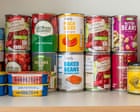
Bottled Water Sales Surge Following Government Emergency Guidance
Bottled water sales have experienced a significant surge across the United Kingdom following the government's launch of a comprehensive emergency preparedness initiative. The Be Ready campaign, introduced recently by UK authorities, has prompted households nationwide to reassess their emergency supply strategies and stock essential items for potential disruptions.
The dramatic increase in bottled water purchases reflects growing consumer concern about infrastructure vulnerabilities and weather-related emergencies. Retailers across the country have documented unprecedented demand for products traditionally associated with emergency preparedness, signaling a substantial shift in consumer purchasing behavior and household planning practices.
Retail Surge in Emergency Supply Categories
Beyond bottled water, merchants have reported remarkable increases across multiple product categories essential for emergency situations. Tinned foods, long recognized as staple emergency provisions, have experienced heightened consumer interest as families prepare for potential 72-hour supply gaps.
Wind-up radios and torches represent another category experiencing substantial sales growth, highlighting retailer observations that consumers are adopting comprehensive emergency preparation strategies. These battery-independent devices provide crucial communication and lighting solutions during infrastructure disruptions or prolonged power outages.
Government's Be Ready Campaign Impact
The Be Ready campaign represents an official government initiative designed to enhance national emergency preparedness across residential populations. Officials have specifically recommended that households maintain emergency supplies sufficient for approximately three days, accounting for scenarios involving extreme weather events, potential cyber-attacks, or other infrastructure-related incidents.
This strategic communication has resonated significantly with the British public, translating government recommendations into measurable consumer action. The campaign's messaging emphasizes practical preparation rather than alarmism, focusing on achievable preparedness steps for average households.
Broader Emergency Preparedness Context
The surge in bottled water and emergency supply purchases occurs amid broader discussions concerning UK infrastructure resilience and national security considerations. Government communications have addressed potential vulnerabilities related to cyber-threats directed by hostile state actors, alongside established concerns regarding extreme weather phenomena.
Retailers have capitalized on heightened consumer awareness, noting that emergency preparedness items have transitioned from niche concerns to mainstream household considerations. This shift demonstrates evolving public attitudes toward personal and family emergency planning.
Consumer Preparation Patterns
Household emergency preparation encompasses various supply categories beyond traditional expectations. Consumers are assembling comprehensive emergency kits including water purification options, non-perishable nutrition sources, communication devices, and illumination equipment.
The coordinated purchasing patterns suggest systematic family planning rather than panic-driven consumption. Retailers report that customers are making deliberate, organized choices regarding emergency supply quantities and product selections.
Industry Response and Availability
Retail chains have adjusted inventory management strategies to accommodate the increased demand for bottled water and related emergency supplies. Supply chain logistics have been reconfigured to ensure product availability meets consumer requirements during this period of elevated purchasing activity.
Wholesalers and distributors have similarly responded to the surge, implementing enhanced stock levels across emergency preparedness categories to maintain retail availability nationwide.