UK-EU Win-Win Deal Possible, Prime Minister Burnham Suggests
Andy Burnham suggests a win-win UK-EU deal could align with Brexit expectations from 2016. Discussions ongoing at European Political Community summit in Dublin.
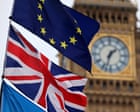
UK-EU Win-Win Deal Could Reshape Britain's European Relations
Prime Minister Andy Burnham has expressed optimism about achieving a UK-EU win-win deal that could represent the type of Brexit arrangement citizens anticipated during the 2016 referendum. Speaking at the European Political Community summit in Dublin, Burnham outlined his vision for repositioning Britain's relationship with Europe in ways that would satisfy both parties and reflect public expectations from nearly a decade ago.
The UK-EU win-win deal framework represents a significant shift in British political discourse surrounding European relations. Rather than viewing the relationship as adversarial, Burnham's comments suggest a collaborative approach aimed at identifying mutual benefits. His statement comes amid preparations for a highly anticipated EU-UK summit scheduled for the following week, where substantive negotiations on closer alignment are expected to take place.
The Vision of a Brexit Reset
Burnham emphasized that the proposed UK-EU win-win deal could be "more like the Brexit that people thought they were voting for in 2016." This characterization suggests that the original referendum campaign created expectations about maintaining economic and social connections with Europe while establishing clear British independence. The current discussion about achieving a UK-EU win-win deal appears designed to bridge the gap between those initial expectations and the actual outcomes of the past eight years.
The prime minister's language indicates frustration with how Brexit has been interpreted and implemented. By framing the UK-EU win-win deal as potentially closer to what voters envisioned, Burnham is attempting to reposition the discussion around European relations as fulfilling rather than contradicting the referendum mandate. This rhetorical approach suggests an effort to build consensus around deeper engagement with Brussels.
Dublin Summit Sets Stage for Broader Negotiations
The European Political Community summit in Dublin served as the venue for Burnham's remarks, placing his comments in a significant diplomatic context. Fellow European leaders attended the gathering, providing an opportunity for the UK-EU win-win deal to be discussed at the highest levels. The summit itself reflects growing recognition that the post-Brexit relationship requires active management and strategic recalibration.
Burnham's participation in this summit underscores Britain's desire to remain engaged with European affairs despite leaving the European Union. The UK-EU win-win deal concept has become central to discussions about the future trajectory of British foreign policy. By advocating for mutually beneficial arrangements, Burnham is positioning Britain as a constructive partner interested in pragmatic solutions rather than perpetual confrontation.
Anticipation Surrounding the EU-UK Summit
Next week's EU-UK summit is anticipated to be a crucial moment for translating Burnham's optimism into concrete proposals. The prime minister's hope to bring Britain closer to Europe suggests an agenda focused on areas of common interest. Whether the UK-EU win-win deal can be operationalized remains to be seen, but the political momentum appears to be building.
The specifics of what such a UK-EU win-win deal might include have not been fully elaborated. However, previous discussions about closer UK-EU alignment have touched on areas such as trade facilitation, security cooperation, scientific collaboration, and youth mobility schemes. Achieving a UK-EU win-win deal would likely require careful negotiation across multiple policy domains.
Political Context and Public Expectations
Burnham's framing of the UK-EU win-win deal as similar to what voters anticipated in 2016 reflects evolving attitudes toward Brexit. Public opinion has shifted considerably since the referendum, with recent polling suggesting stronger support for closer European engagement. A UK-EU win-win deal that can be presented as fulfilling rather than reversing the referendum result may have stronger political viability.
The emphasis on achieving a UK-EU win-win deal represents a departure from earlier post-Brexit rhetoric that often celebrated distance from Europe. This shift suggests recognition that Britain's strategic interests are better served through cooperative engagement. The prime minister's optimistic tone about possibilities suggests confidence in negotiating partners' willingness to explore mutually advantageous arrangements.
Looking Forward: Implementation Challenges
While Burnham's comments about a possible UK-EU win-win deal are encouraging, significant implementation challenges remain. Both sides must navigate domestic political constraints, regulatory differences, and questions about sovereignty. Delivering a UK-EU win-win deal that satisfies both British and European constituencies will require skillful diplomacy and genuine compromise.
The upcoming EU-UK summit will provide clarity on whether the UK-EU win-win deal framework can move from political rhetoric to actionable agreements. Success would represent a significant development in post-Brexit relations and could reshape European geopolitics for years to come.