US Helicopter Strikes Iranian Blockade-Running Ship Engine Room
US Central Command reports helicopter missile strike on Panama-flagged vessel in Gulf of Oman attempting to break Iran blockade. Full details of military operat...
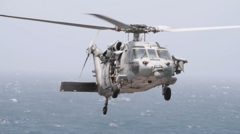
US Military Helicopter Launches Precision Strike on Blockade-Breaking Vessel
The United States military has conducted a deliberate operation against a cargo ship suspected of supporting Iranian sanctions evasion efforts. According to statements from US Central Command, a helicopter executed a precision strike targeting the engine room of a Panama-flagged cargo vessel operating in the strategic waters of the Gulf of Oman. This military action represents an escalation in enforcement measures designed to maintain international pressure on Iran through strict blockade mechanisms.
Details of the Gulf of Oman Operation
US Central Command officials confirmed that the helicopter deployed missiles specifically aimed at disabling the vessel's propulsion systems. The Panama-flagged cargo ship was identified as attempting to circumvent established sanctions and export restrictions related to Iran. The strike on the engine room was calculated to immobilize the vessel without causing catastrophic damage, allowing for potential boarding and inspection operations by regional naval forces.
The Gulf of Oman, a crucial maritime corridor connecting the Persian Gulf to the Arabian Sea, has become increasingly significant for monitoring illicit trade activities. The strategic location makes it an ideal vantage point for military enforcement of international sanctions regimes targeting Iran's economic capabilities.
International Sanctions Enforcement Context
This military engagement occurs within the broader framework of US-led international efforts to enforce comprehensive sanctions against Iran. The blockade mechanisms have been established to prevent Iran from accessing critical resources and conducting unrestricted international commerce. Vessels attempting to breach these restrictions face potential interdiction by military assets stationed throughout the region.
The Panama flag registry has historically been utilized by shipowners seeking to obscure vessel ownership and operational control. This registration method provides nominal separation from Iranian entities, complicating enforcement efforts but not preventing military intervention when intelligence indicates sanctions violations.
Military Response Protocol and Objectives
The deployment of helicopter-based strike capabilities demonstrates the US military's commitment to active enforcement of sanctions through direct intervention. Rather than relying solely on naval blockade procedures, the operation showcases a willingness to employ kinetic action against suspected sanctions violators. The targeting of the engine room specifically indicates a strategy focused on disablement rather than destruction, preserving the vessel for subsequent inspection and intelligence gathering.
Central Command maintains operational control over military resources throughout the region, including helicopter squadrons equipped with advanced targeting systems and precision-guided weaponry. This incident exemplifies the integration of surveillance intelligence with rapid response capabilities, enabling swift action against identified targets.
Regional Security Implications
The military strike sends clear signals to maritime operators regarding the enforcement mechanisms protecting international sanctions frameworks. Shipping companies and vessel operators must navigate increasingly stringent compliance verification procedures when conducting business in regional waters. The incident reinforces that attempts to circumvent sanctions face genuine consequences, including military interdiction.
The Gulf of Oman remains a focal point for international maritime security operations, with multiple naval powers maintaining strategic presence. The waterway's importance to global energy markets and international trade necessitates continuous monitoring and enforcement activities to maintain stability and comply with international sanctions regimes.
Vessel Status and Follow-up Operations
Following the helicopter strike on its engine room, the Panama-flagged cargo vessel was left immobilized in the Gulf of Oman. The disabling of the vessel's propulsion systems effectively prevented continued navigation, bringing the ship under potential control of regional naval forces. Subsequent boarding and inspection operations could yield evidence of sanctions violations and Iranian links to shipping operations.
Intelligence analysts will scrutinize cargo manifests, communication records, and vessel registration documents to establish connections to Iranian entities. Such investigations contribute to broader understanding of sanctions evasion networks and operational methodologies employed by actors seeking to maintain Iran's economic connectivity despite international restrictions.
Broader Policy Framework
US policy toward Iran encompasses multiple enforcement mechanisms, with military operations representing one dimension of comprehensive strategy. Diplomatic channels, economic sanctions, and intelligence operations combine with military capabilities to create multi-layered pressure on Iranian government activities. The blockade enforcement operations exemplify coordination between military commands and policy objectives established by national security leadership.
Central Command continues monitoring maritime activities throughout its area of responsibility, maintaining readiness to respond to identified sanctions violations. The helicopter strike incident demonstrates sustained commitment to enforcement of international sanctions frameworks and protection of established security architectures in the region.


