U.S. Implements Trade Tariffs Against 60 Nations Over Forced Labour Concerns
The United States enforces tariffs on approximately 60 trading partners suspected of inadequate forced labour prevention measures in their exports.
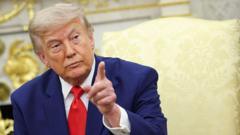
U.S. Enforces Forced Labour Tariffs on Global Trading Partners
The United States has initiated a comprehensive enforcement action involving forced labour tariffs against approximately 60 trading partners worldwide. This significant trade measure reflects Washington's commitment to combating exploitative labor practices within international supply chains and ensuring that imported goods meet stringent ethical standards.
The forced labour tariffs represent a multi-faceted approach to addressing systemic issues within global commerce. American trade officials have determined that these nations have demonstrated insufficient efforts in preventing forced labour practices within their manufacturing and export sectors. The action underscores growing tensions between economic relations and human rights concerns on the international stage.
Scope and Rationale Behind the Trade Action
The sanctions target countries across multiple continents and industries, indicating a broad regulatory initiative rather than sector-specific enforcement. Each of the affected trading partners has been identified as failing to implement adequate safeguards against forced labour exploitation in their production chains. The U.S. government contends that these deficiencies pose direct threats to fair trade principles and worker protections globally.
Authorities have compiled extensive evidence suggesting that numerous exporters operating within these jurisdictions rely on coercive labor practices. These practices allegedly include wage theft, debt bondage, document confiscation, and restricted freedom of movement—all recognized indicators of forced labour under international standards established by the International Labour Organization.
Implementation and Economic Impact
The forced labour tariffs will be applied to goods originating from these 60 nations, potentially affecting billions of dollars in annual trade flows. Industries most likely to be impacted include textiles and apparel, agriculture, mining, manufacturing, and technology components. Companies importing from affected countries must now navigate enhanced compliance requirements or face significant duty increases on their shipments.
The implementation process will occur in phases, allowing trading partners a transition period to demonstrate concrete improvements in their labour enforcement mechanisms. However, penalties will commence immediately for goods identified as directly linked to documented forced labour operations. Importers are urged to conduct thorough due diligence across their supply chains to ensure compliance.
International Response and Diplomatic Implications
Several affected nations have already responded with statements dismissing the accusations as politically motivated or economically protectionist. Some trading partners argue that the forced labour tariffs lack sufficient evidence and represent an overreach of American authority into their sovereign domestic affairs. Diplomatic channels have been activated to address grievances and establish pathways for resolution.
Trade organizations and business associations have expressed concern about the economic ramifications, warning that the tariffs could increase consumer prices and disrupt established supply chain relationships. However, labour rights advocates have praised the action as an overdue measure to protect vulnerable workers in developing nations from exploitation.
Compliance Requirements Moving Forward
Trading partners and affected companies must now comply with enhanced documentation and audit requirements to demonstrate forced labour prevention efforts. The U.S. government has established verification mechanisms requiring independent assessments of labour conditions within supplier facilities. Companies must provide transparent records of their supply chain audits and corrective action plans.
To avoid the forced labour tariffs, nations and businesses must implement comprehensive programmes addressing root causes of labour exploitation, including living wage guarantees, worker protection legislation, and independent monitoring systems. The U.S. government has indicated willingness to modify tariff levels for partners demonstrating measurable progress in these areas.
Long-Term Strategic Implications
This enforcement action signals a broader shift in American trade policy toward prioritizing ethical manufacturing standards alongside traditional economic considerations. The forced labour tariffs represent a precedent that may influence how other developed nations approach trade agreements and supply chain accountability in coming years. The measure reinforces growing international pressure for corporate social responsibility in global commerce.


