Virgin to Expand Channel Tunnel Operations with 20 Daily European Routes
Virgin Group seeks approval to operate up to 20 daily Channel Tunnel rail services to Europe. Learn about the expansion plan and regulatory requirements needed.
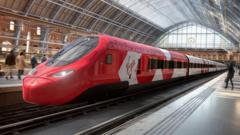
Virgin Group Pursues Channel Tunnel Rail Services Expansion
Virgin Group has announced a significant advancement in its ambitious plans to establish Channel Tunnel rail services connecting the United Kingdom with continental Europe. The transportation company is actively pursuing regulatory approval to operate an extensive network of daily passenger routes across the iconic transport corridor, marking a transformative step in European rail connectivity.
Scale and Scope of the Proposed Service
At the heart of Virgin's expansion strategy lies a comprehensive proposal to run up to 20 daily journeys between Britain and European destinations. This ambitious framework would establish the company as a major player in cross-channel rail transportation, potentially revolutionizing how passengers travel between the United Kingdom and mainland Europe. The proposed frequency would significantly increase available capacity and travel options for commuters and leisure travelers alike.
The scale of this initiative demonstrates Virgin Group's commitment to modernizing international rail services and addressing growing demand for sustainable transportation alternatives. By implementing such frequent departures, the company aims to provide competitive scheduling that rivals existing operators and offers passengers greater flexibility in planning their journeys.
Regulatory Approval Requirements
Despite the promising scope of Virgin's vision for Channel Tunnel rail services, the company faces a critical regulatory hurdle. To proceed with operations, Virgin must obtain additional approval from overseas authorities responsible for managing continental European rail infrastructure and standards. This multi-jurisdictional approval process requires compliance with various European Union regulations and agreements governing cross-border railway operations.
The approval framework involves collaboration with infrastructure managers in France and other European nations, ensuring that Virgin's proposed services meet technical specifications, safety standards, and operational requirements established by continental authorities. These regulatory mechanisms exist to maintain consistency, safety, and harmonization across the European rail network, protecting both passengers and the integrity of existing infrastructure.
Strategic Importance for Cross-Channel Connectivity
Virgin Group's initiative represents a substantial investment in enhancing daily train journeys through the Channel Tunnel, one of Europe's most vital transport arteries. The proposal reflects broader industry trends toward increased privatization and competition in rail services, as operators seek to deliver enhanced passenger experiences and operational efficiency across international routes.
The expansion would complement existing rail services while introducing Virgin's distinctive approach to customer service and modern amenities. By focusing on frequent, reliable connections, Virgin aims to position itself as a preferred choice for business travelers, tourists, and commuters requiring regular cross-channel transportation solutions.
Infrastructure and Operational Considerations
Operating up to 20 daily European rail routes through the Channel Tunnel demands substantial investment in rolling stock, maintenance facilities, and operational infrastructure. Virgin must coordinate with tunnel operators and infrastructure authorities to secure allocation of track capacity during peak and off-peak periods, ensuring that proposed schedules remain feasible within existing infrastructure constraints.
The company's plans also necessitate agreements regarding terminal facilities, passenger processing capabilities, and border control integration at both British and European endpoints. These logistical considerations are fundamental to delivering the service reliability and passenger convenience that Virgin's reputation demands.
Future Outlook and Industry Impact
If Virgin successfully navigates the regulatory approval process, its Channel Tunnel rail services initiative could reshape competitive dynamics in the cross-channel transportation market. Increased competition typically benefits consumers through improved service quality, enhanced pricing structures, and greater availability of travel options.
The proposed expansion also signals industry confidence in rail travel's future as a sustainable, efficient alternative to aviation and road transportation for European journeys. Virgin Group's commitment to this sector underscores the potential for significant growth in premium rail services connecting major European metropolitan centers.
Virgin's pursuit of these ambitious goals demonstrates the ongoing evolution of international railway services and the potential for innovative operators to transform established travel corridors. As the company works through the approval process, stakeholders across Europe remain closely watching this development in cross-channel rail transportation.


