World leaders bypass Trump to tackle Strait of Hormuz crisis
Countries heavily reliant on the energy exports from the Strait of Hormuz are troubleshooting plans to reopen the critical maritime trade route amid the chaos a...
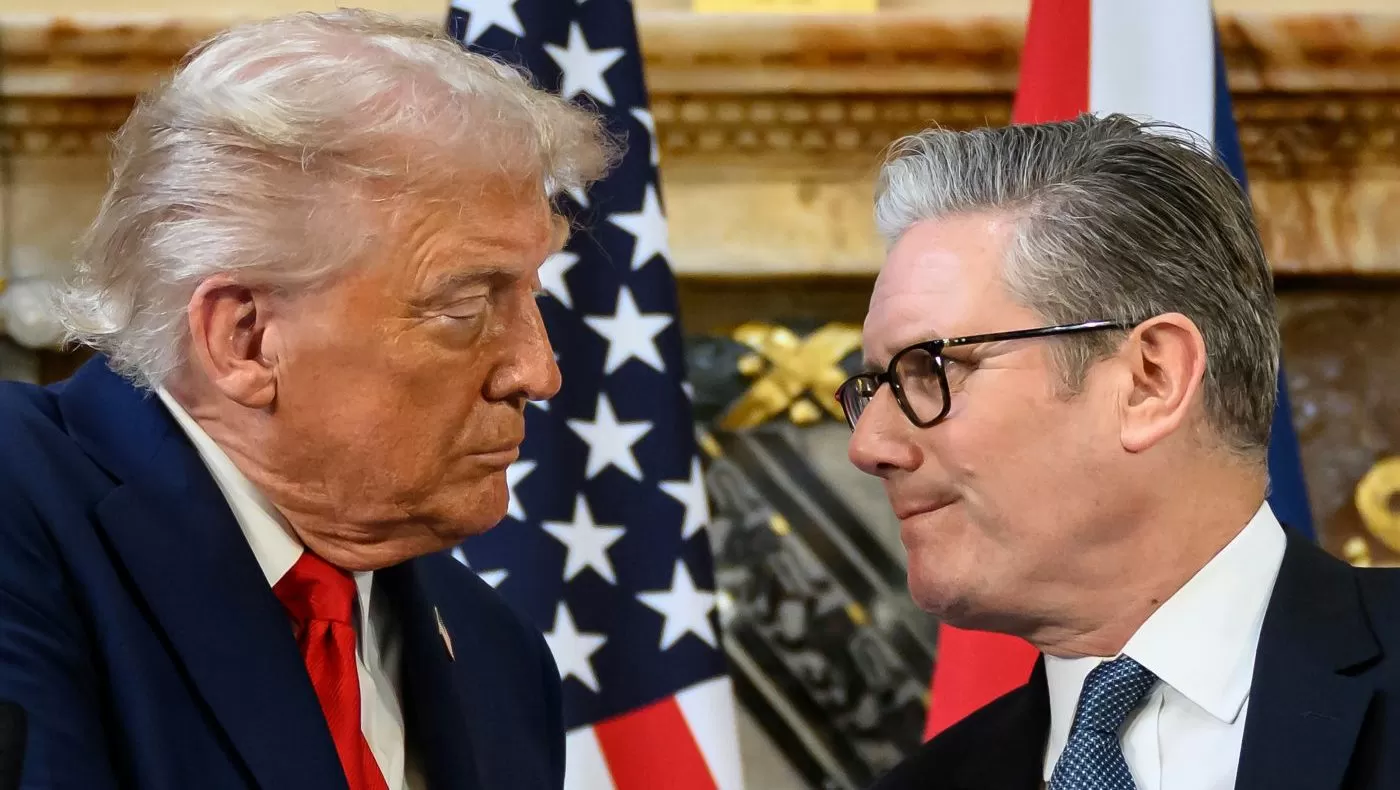
Countries around the world are facing a major dilemma as they grapple with the uncertainty surrounding the U.S.-Israel war against Iran. The latest development in this conflict is the closure of the Strait of Hormuz, a critical maritime trade route that carries a significant portion of the world's energy exports. As countries heavily reliant on these exports scramble to find a solution, the United Kingdom has stepped up to convene a meeting with 41 nations to discuss plans to reopen the crucial waterway.
The meeting, held on Thursday, saw representatives from 41 countries come together to find a way to resume the flow of energy through the Strait of Hormuz. The UK, along with partner countries such as the United States, Saudi Arabia, and Israel, has placed the blame for the closure on Iran. They accuse Iran of using the strait as a bargaining chip in the ongoing conflict, putting the economies of many nations at risk.
The situation in the Strait of Hormuz has intensified in recent weeks, with Iran seizing a British-flagged tanker and a few other vessels in retaliation for the UK's role in the detention of an Iranian supertanker. This political tension has resulted in a closure of the strait, leaving countries like Kuwait, Qatar, Bahrain, and Iraq struggling to export their energy resources via alternate routes.
The consequences of the Strait's closure are dire. The world heavily relies on the energy that passes through it, and any disruption can have a significant impact on the global economy. The meeting convened by the UK aimed to discuss and find solutions to mitigate these consequences and restore the smooth flow of energy through the Strait of Hormuz.
At the meeting, countries discussed various plans to tackle the issue. One of the proposed solutions was to increase naval presence in the region to deter any further disruptions by Iran. Another suggestion was to collaborate with countries that have alternate routes to export energy resources, such as Oman, to help ease the burden on the Strait of Hormuz.
The United Kingdom has taken the lead in this initiative, as it has a vested interest in the smooth functioning of the Strait. The UK receives a significant amount of its energy supply through the route and is also home to one of the world's largest shipping insurance markets, which plays a crucial role in ensuring the safe passage of energy tankers. Thus, it is in the UK's best interest to restore stability in the region and ensure the safe transportation of energy resources.
While the meeting has been a positive step towards finding a solution, it is essential to note that the ultimate goal is to de-escalate the tensions in the region. The UK has emphasized that the meeting was convened to discuss ways to reopen the Strait of Hormuz peacefully and avoid any military intervention, which could have severe consequences for all parties involved.
The discussions also highlighted the need for all countries to play a role in finding a resolution and ending the ongoing conflict. It is crucial for all nations to come together and work towards a peaceful resolution that benefits everyone. One country's actions should not put the entire world at risk, and it is the responsibility of all nations to ensure that peace and stability are maintained in the Strait of Hormuz.
As we look towards the future, it is essential to remember that the security and stability of the Strait of Hormuz are crucial for the global economy. The world relies on this vital waterway, and any disruption can have severe consequences for all nations. It is time for all countries to come together and find a solution to this crisis, and the UK's initiative to convene this meeting is a positive step towards achieving that goal.
In conclusion, the meeting of 41 countries convened by the United Kingdom is a significant step towards resolving the crisis in the Strait of Hormuz. The closure of this critical maritime trade route has raised concerns and uncertainties, but with collaborative efforts and a peaceful approach, we can find a solution that benefits all nations. It is time to put aside our differences and come together to ensure the safe passage of energy resources through the Strait of Hormuz. Let us work towards a peaceful solution and restore stability in this vital waterway.