
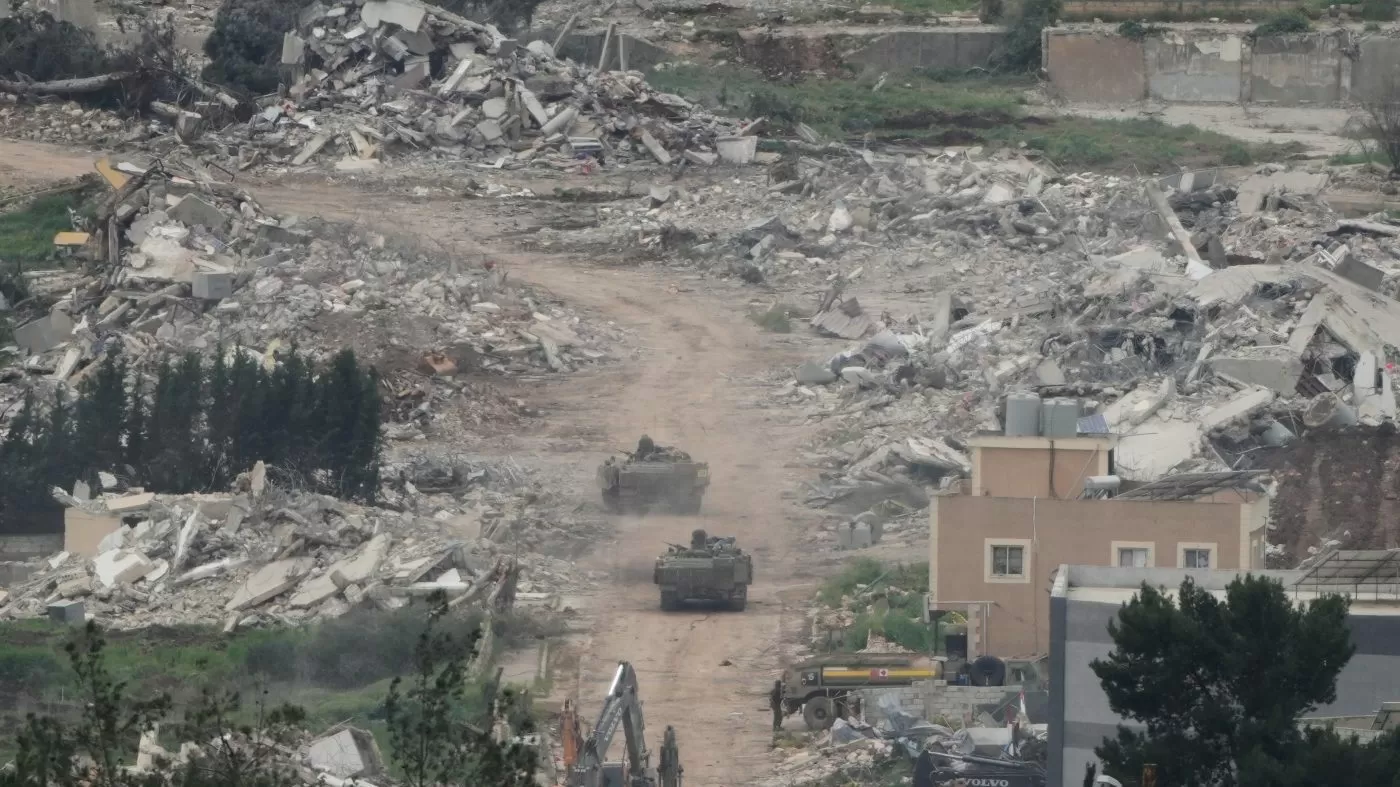
A temporary ceasefire agreement between Israel and Lebanon went into effect at midnight local time on Friday, bringing a much-needed pause to the weeks of intense fighting between the two nations. The deal, brokered by Egypt and supported by the United Nations, aims to bring an end to the violence that has claimed numerous lives and displaced thousands of people.
The announcement of the ceasefire came as a glimmer of hope in the midst of a dark and volatile situation. For weeks, Israel and Lebanon have been engaged in a bitter conflict, with both sides blaming each other for the escalation of violence. The fighting has been primarily centered around the disputed Shebaa Farms area and has resulted in the deaths of civilians and soldiers on both sides.
The international community has been closely monitoring the situation and has been calling for a ceasefire to prevent further loss of life. The United Nations has repeatedly expressed concern over the humanitarian crisis caused by the fighting, urging both sides to end the violence and come to the negotiating table.
In a joint statement, the leaders of Israel and Lebanon announced their commitment to the ceasefire and expressed their hope that it would lead to a lasting peace between the two nations. They also thanked Egypt for mediating the deal and the United Nations for their support in bringing an end to the conflict.
The agreement includes a halt to all hostilities, the withdrawal of Israeli troops from Lebanese territory, and the return of civilians who have been displaced by the fighting. It also calls for the resumption of negotiations to resolve the core issues at the heart of the conflict.
One of the most significant aspects of the ceasefire agreement is the announcement by Iran that the Hormuz Strait, a vital shipping route, is now “completely open.” This development has raised hopes for the resolution of another crisis that has been brewing in the region. In recent months, tensions have been high between Iran and the US, with the US imposing a blockade on the Hormuz Strait in response to what it perceives as Iran’s aggressive actions.
It is not entirely clear what the reopening of the Hormuz Strait means for the US blockade. However, many analysts believe that it is a positive sign and could pave the way for a de-escalation of tensions between the two nations. This would be a welcome development in a region that has been plagued by conflicts and instability for far too long.
The temporary ceasefire agreement has been met with a sigh of relief by the citizens of both Israel and Lebanon, who have been living in fear and uncertainty for weeks. The violence had taken a toll on their daily lives, with many unable to go about their normal routines due to the constant threat of attacks and bombings.
Now, with the ceasefire in effect, people can start to rebuild their lives and communities. The return of civilians to their homes, the reopening of businesses, and the resumption of daily activities are all signs of a return to normalcy. It is hoped that this temporary ceasefire will pave the way for a more comprehensive and lasting peace agreement between the two nations.
In conclusion, the temporary ceasefire between Israel and Lebanon is a significant step towards ending the violence and achieving a lasting peace. The support of the international community, particularly Egypt and the United Nations, has played a crucial role in bringing the two sides together. The announcement by Iran that the Hormuz Strait is open is also a positive development that could have far-reaching implications for the region. Let us hope that this ceasefire will be the first of many steps towards a peaceful and stable Middle East.
