
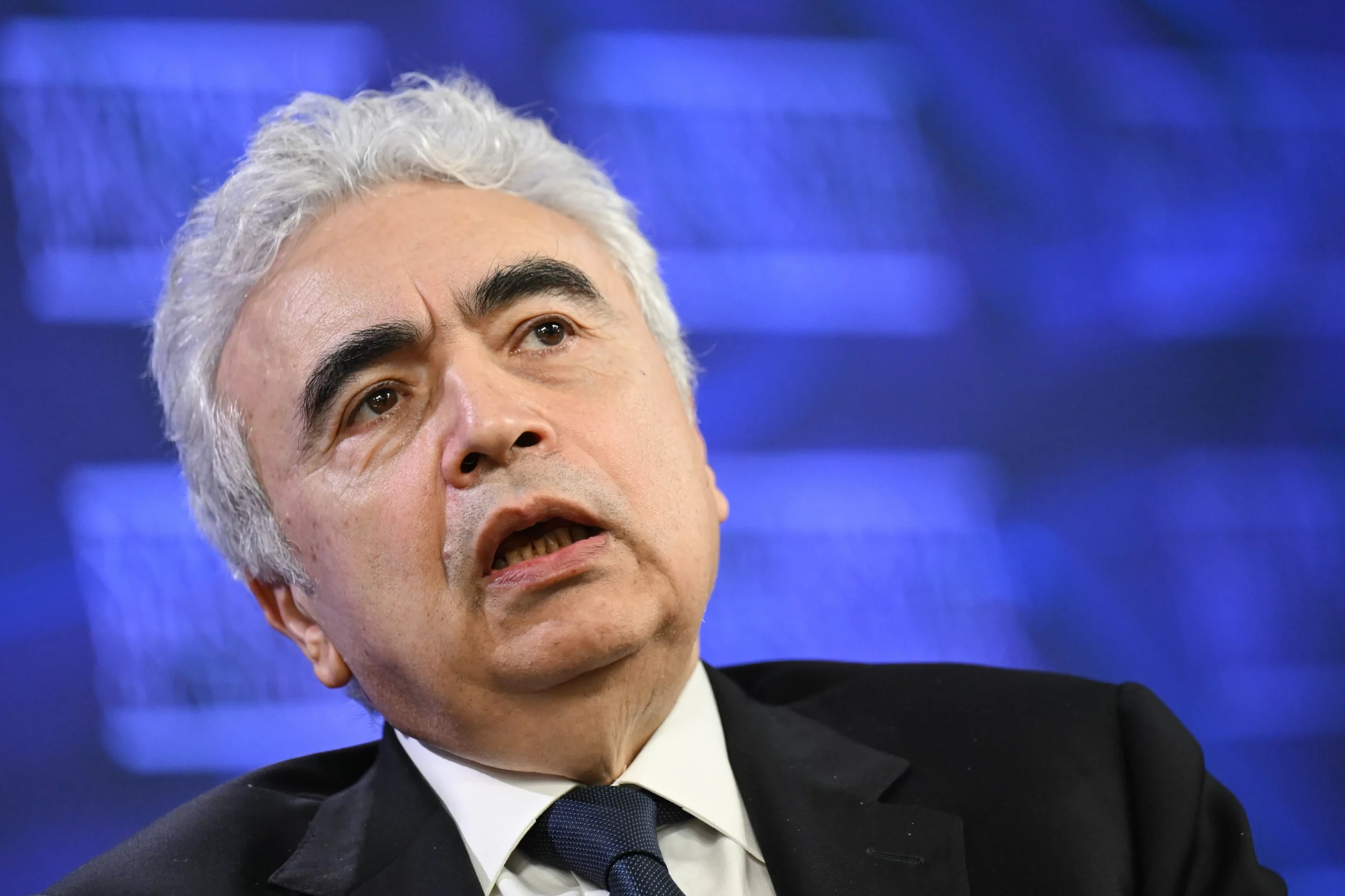
The world is currently facing a major energy security threat that has the potential to greatly impact our daily lives and the global economy. According to the head of the International Energy Agency (IEA), Fatih Birol, this threat is the biggest one that we have ever encountered.
In a recent interview with CNBC, Birol expressed his concerns over the ongoing tensions in the Middle East, particularly the war in Iran and its impact on energy security. The Strait of Hormuz, a narrow waterway that connects the Persian Gulf to the Arabian Sea, is a critical route for global energy trade. It is responsible for the transportation of about one-fifth of the world’s oil supply. Therefore, any disruption in this region could have serious consequences for the global energy market.
Birol believes that the current situation in the Middle East poses a significant risk to energy security, not only for the region but for the entire world. He stated, “We are facing the biggest energy security threat in history, and the situation in the Strait of Hormuz is a major concern.” He also emphasized the importance of finding a peaceful resolution to the ongoing conflicts in the region to ensure the stability of energy supply and prices.
The IEA is an intergovernmental organization that is dedicated to ensuring reliable and affordable energy for all. It serves as a leading authority on energy markets, policies, and technologies, providing data, analysis, and advice to help governments and industries make informed decisions. With its vast knowledge and expertise, the IEA’s warning regarding the energy security threat cannot be taken lightly.
The consequences of the threat are already being felt in the global energy market. The recent attacks on oil tankers in the Gulf of Oman and the downing of a US drone by Iran have caused oil prices to spike, and the situation remains volatile. These incidents serve as a wake-up call for the world to take necessary measures to protect energy security.
To address the issue, Birol has called on all stakeholders, including governments, industries, and consumers, to work together and take proactive steps. He believes that investments in energy infrastructure, diversification of energy sources, and the development of clean energy technologies are essential for ensuring energy security in the future. Governments must also aim for greater energy efficiency and promote the use of renewable energy sources to reduce their dependency on a single energy supply.
The IEA also recommends the establishment of emergency response plans and the building of strategic oil reserves to mitigate supply disruptions. These measures will not only enhance energy security but also provide a buffer against price volatility and unexpected crises.
While the current situation in the Middle East is a cause for concern, Birol remains hopeful that the world can overcome this energy security threat. He urged for a peaceful resolution to the ongoing conflicts and stressed the importance of dialogue and cooperation among all parties involved.
In conclusion, the biggest energy security threat in history is staring the world in the face. The situation in the Strait of Hormuz is a major concern, and immediate action is needed to ensure the stability of energy supply and prices. The IEA’s warning serves as a wake-up call for all stakeholders to take necessary measures and work together towards a more secure and sustainable energy future. With a concerted effort and a positive outlook, we can overcome this threat and build a more resilient global energy system.
