
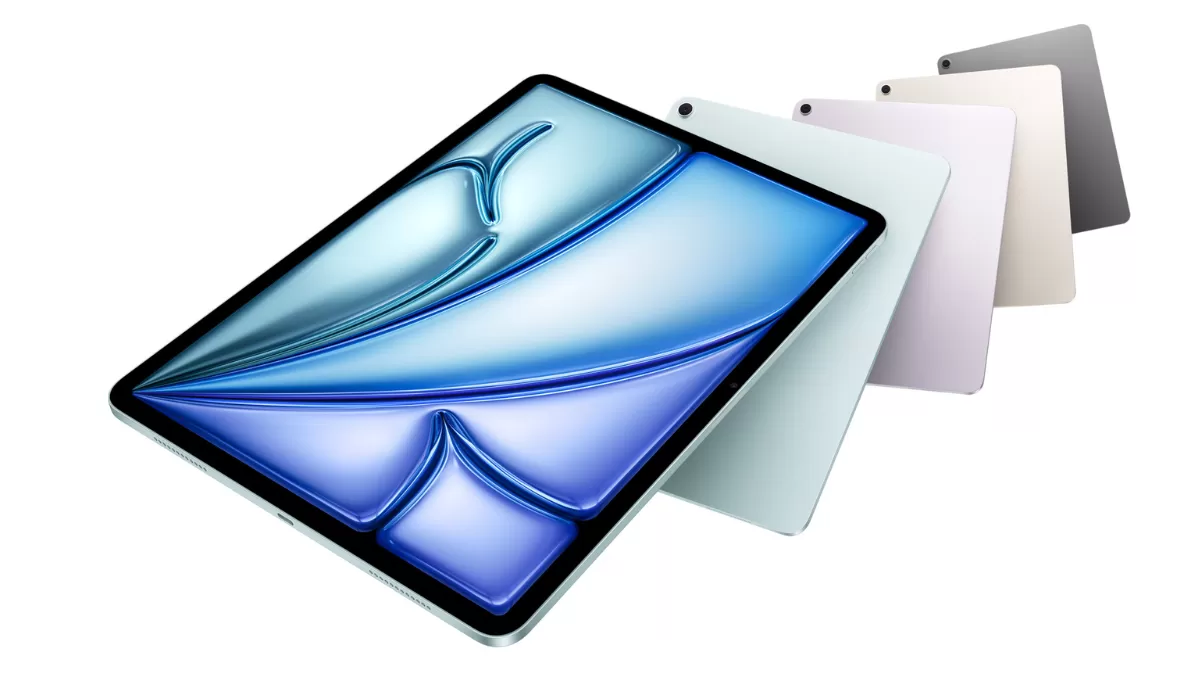
Apple, the tech giant known for its innovative and cutting-edge products, may be gearing up to introduce an OLED iPad Air in 2027. According to a recent report, Samsung Display is expected to begin panel production for this device in late 2026 or early 2027, with a potential launch in the first half of 2027. This move is set to not only expand the use of OLED technology in Apple’s tablet lineup, but also boost demand for OLED and strengthen Samsung’s role as a key supplier.
The introduction of an OLED iPad Air would mark a significant step forward for Apple, as it would be the first time the company uses this advanced display technology in its Air series. OLED, or organic light-emitting diode, is known for its superior image quality, with deeper blacks, higher contrast, and more vibrant colors. This would greatly enhance the viewing experience for users of the iPad Air, making it a highly anticipated release.
But what exactly is OLED and why is it such a big deal? OLED is a display technology that uses organic materials to emit light when an electric current is passed through them. This allows for each individual pixel to be turned on or off, resulting in true blacks and improved color accuracy. This is in contrast to LCD, or liquid crystal display, which uses a backlight to illuminate the pixels, resulting in a less vibrant and accurate color display.
Apple’s decision to introduce an OLED iPad Air in 2027 is a strategic move to stay competitive in the rapidly evolving tech market. With other major players such as Samsung and LG already using OLED technology in their devices, it was only a matter of time before Apple followed suit. The company has been gradually incorporating OLED in its products, starting with the Apple Watch and later with the iPhone X, XS, and XS Max. The introduction of an OLED iPad Air would complete the transition to OLED across most of Apple’s tablet lineup, leaving only the standard iPad on LCD.
One of the main reasons for this shift to OLED is its lower cost compared to previous generations. As the technology has become more mainstream, the production costs have decreased, making it a more viable option for Apple to use in its products. This, in turn, allows for a competitive pricing strategy, making the OLED iPad Air more accessible to a wider range of consumers.
Not only will this move benefit Apple, but it will also have a positive impact on the OLED market. With Apple’s massive customer base and strong brand loyalty, the demand for OLED is expected to skyrocket. This could potentially lead to further advancements and improvements in the technology, benefiting all users in the long run.
Additionally, the partnership with Samsung Display for panel production further solidifies the company’s role as a key supplier for Apple. Samsung has been a long-standing supplier for Apple, providing various components for its devices. This collaboration will not only strengthen their relationship but also boost Samsung’s position in the market as a leader in display technology.
The potential launch of an OLED iPad Air in 2027 is still a few years away, but the anticipation is already building. Apple’s commitment to incorporating the latest and best technology in its products is evident, and this move further solidifies its position as an industry leader. The use of OLED in the iPad Air will undoubtedly enhance the user experience and set a new standard for display technology in the tablet market.
In conclusion, the potential introduction of an OLED iPad Air in 2027 is an exciting development for both Apple and the OLED market. With its superior image quality and competitive pricing, this move is sure to be a hit among consumers. The partnership with Samsung Display further strengthens the relationship between the two tech giants and will pave the way for future collaborations. As we eagerly wait for this highly anticipated release, one thing is for sure – the future of display technology is looking brighter than ever with Apple at the forefront.
