Artificial Ice Pyramids: India's Solution to Mountain Water Scarcity
Discover how Himalayan villages are building artificial ice pyramids to secure water supply for spring crops and combat drought challenges.
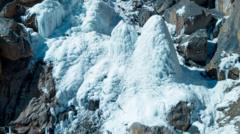
Artificial Ice Pyramids Transform Water Management in Indian Himalayas
The construction of artificial ice pyramids represents an innovative and sustainable approach to addressing critical water shortages in remote Himalayan communities. These engineered structures have become essential infrastructure for mountain villages across northern India, particularly in regions where seasonal water availability threatens agricultural productivity and community survival.
Understanding the Artificial Ice Pyramids Technology
Artificial ice pyramids function as man-made glaciers designed to store water during winter months when temperatures drop significantly. The technology involves channeling water from mountain streams into cone-shaped structures that gradually accumulate ice and snow throughout the cold season. When spring arrives and temperatures rise, these frozen reserves slowly melt, providing a consistent water supply precisely when farmers need irrigation most for their crops.
These structures are constructed using simple materials and techniques adapted to local conditions. Engineers dig channels from nearby water sources and direct the flow downward, allowing water to freeze in layers as it descends. The pyramid shape proves optimal for maximizing surface area while minimizing heat exposure, ensuring the ice remains preserved longer into the warmer months.
Historical Context and Modern Adaptation
While traditional forms of ice preservation have existed in mountain regions for centuries, modern artificial ice pyramids represent a contemporary engineering solution developed specifically for climate adaptation. Local communities and environmental organizations have refined the technology over the past decade, transforming what began as experimental projects into established water management infrastructure supporting thousands of households.
The artificial ice pyramids concept gained prominence as climate change accelerated glacial retreat throughout the Himalayas. Traditional glacier-fed water sources that communities had relied upon for generations began diminishing at alarming rates, compelling villages to develop alternative solutions for maintaining their irrigation systems.
Agricultural Impact and Spring Irrigation
Spring represents the critical growing season for most Himalayan agricultural communities, yet this period traditionally experiences water stress before monsoon rains arrive. Artificial ice pyramids directly address this challenge by providing dependable irrigation water exactly when crops require it most. Farmers can plan planting schedules with greater certainty, knowing that water supplies will be available throughout the establishment phase of their crops.
The irrigation enabled by these structures supports cultivation of various crops suited to mountain climates, including potatoes, wheat, barley, and specialized alpine vegetables. Agricultural productivity increases have been documented in villages that have implemented artificial ice pyramid systems, with some communities reporting yield improvements of twenty to thirty percent.
Environmental and Climate Considerations
The artificial ice pyramids technology operates in harmony with natural hydrological cycles rather than against them. Unlike conventional water storage solutions such as dams or reservoirs, these structures require minimal environmental modification and create no large-scale ecological disruption. Water that feeds the pyramids returns to the ecosystem as snowmelt, maintaining natural flow patterns through mountain valleys.
This approach demonstrates how communities can adapt to climate change impacts through locally-appropriate innovation. As natural glaciers continue retreating due to global warming, artificial ice pyramids offer a bridge technology that extends the benefits of cold-season water accumulation while communities develop additional long-term climate resilience strategies.
Community Implementation and Social Impact
Village organizations and water user associations manage artificial ice pyramid systems, fostering collective responsibility and equitable water distribution. The construction process itself provides employment opportunities for local residents, while maintenance requirements ensure ongoing community engagement with water management.
Beyond irrigation benefits, these structures serve symbolic importance in mountain communities, representing local initiative and resilience in facing environmental challenges. Youth from these villages increasingly view water management technology as a viable career path, encouraging younger generations to remain in rural areas rather than migrating to cities.
Future Expansion and Scaling Potential
The artificial ice pyramids approach has gained recognition from environmental organizations and government agencies as a replicable model for mountain water security. Several states across northern India have begun supporting village-level projects to expand pyramid networks, recognizing both their practical effectiveness and minimal environmental footprint.
Researchers continue refining pyramid design parameters to optimize ice preservation and water yield. Future innovations may include improved insulation techniques and strategic placement optimization to extend the water supply period even further into the dry season.
Conclusion
Artificial ice pyramids exemplify how indigenous knowledge combined with practical engineering can address pressing environmental challenges. These structures preserve mountain communities' water security while demonstrating sustainable adaptation to climate change within sensitive Himalayan ecosystems.


