Labour Chief Whip Midgley Reveals Strict Approach to Discipline
Anneliese Midgley, Labour's chief whip, discusses her tough stance on party discipline in exclusive interview. Learn about her direct approach.
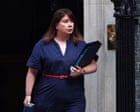
Labour Chief Whip Takes Uncompromising Stance on Party Discipline
Anneliese Midgley, Labour's newly appointed chief whip, has made headlines with her candid remarks about maintaining strict party discipline among MPs. The Labour chief whip's no-nonsense approach stands in sharp contrast to recent statements from party leadership about fostering a more collaborative parliamentary environment. In an exclusive interview, Midgley outlined her philosophy on keeping members of parliament accountable and aligned with party objectives.
A Direct Leadership Style Sets New Tone
The appointment of Midgley as Labour chief whip has already sparked conversations within Westminster about leadership styles and party management. Her straightforward comments about her approach to discipline reveal a commanding presence determined to maintain order within parliamentary ranks. Unlike traditional whips' offices that have sometimes been characterized as intimidating institutions, Midgley's appointment signals a new era of transparency about how the Labour government maintains party cohesion.
Senior party figures, including Andy Burnham, have previously suggested that the whips' office should not function as an instrument of fear. However, Midgley's appointment as chief whip indicates that the party is balancing this philosophy with the practical necessity of maintaining discipline. Her candid statements demonstrate that the Labour chief whip position requires both firmness and clarity in communication with members.
The Reality of Parliamentary Management
Managing a diverse group of MPs requires a multifaceted approach that combines political acumen with personal authority. Midgley's role as Labour chief whip places her at the intersection of party strategy and individual accountability. The chief whip must ensure that party policy objectives are met while navigating the complex personalities and agendas within the parliamentary caucus.
Midgley's comments about not tolerating evasiveness or excuses reflect the practical demands of her position. The Labour chief whip serves as the primary liaison between senior party leadership and backbench members, requiring her to communicate both encouragement and consequences. Her direct communication style may challenge traditional expectations about how authority figures address parliamentary members, but it also demonstrates a commitment to clear expectations and professional conduct.
Midgley's Approach Contrasts with Traditional Models
Historical accounts of the whips' office have often portrayed it as an environment where subtle coercion and pressure tactics prevail. Midgley's transparent acknowledgment of her strict approach represents a departure from this secretive model. Rather than operating behind closed doors with implied threats, the Labour chief whip has chosen to publicly articulate her expectations, which some analysts suggest may actually reduce ambiguity about party requirements.
The timing of Midgley's appointment as Labour chief whip comes during a period when the party is establishing its governance framework. Her leadership style will likely influence how the party manages internal dissent and maintains legislative discipline. The chief whip's effectiveness in implementing party policy ultimately affects the government's ability to pass legislation and maintain parliamentary discipline.
Impact on Labour Party Dynamics
The appointment of Anneliese Midgley as chief whip carries implications for how the Labour party will function during this parliamentary session. Her unambiguous communication style may either inspire confidence among cooperative members or create tension among independent-minded MPs. The chief whip's role has traditionally been one of the most influential positions within party hierarchies, directly affecting parliamentary outcomes and legislative success.
Midgley's tenure as Labour chief whip will test whether a more transparent, forthright approach to discipline can effectively maintain party unity compared to traditional methods. Her willingness to discuss her methods publicly, rather than maintaining the historical discretion associated with the position, may establish new precedents for how whips' offices communicate with their members.
Looking Forward: New Era for Party Discipline
As the Labour chief whip, Midgley assumes responsibility for one of Westminster's most consequential roles. Her approach to managing MPs will shape the parliamentary landscape and influence how the Labour government implements its legislative agenda. The chief whip's success or challenges in maintaining discipline will become evident as the government progresses through its parliamentary session.
The comments from Midgley about her role as Labour chief whip suggest that party leadership has consciously selected someone willing to implement strict accountability measures. Whether this approach enhances parliamentary efficiency or creates friction within the party remains to be seen. The chief whip's performance will be closely monitored by political analysts, journalists, and fellow MPs as an indicator of the government's overall governance style and effectiveness.