Russian Grain Export Terminals Targeted in Black Sea Port Strikes
Russian grain export infrastructure suffers major damage in Black Sea port attacks. Export capacity threatened as shipping tensions escalate between nations.
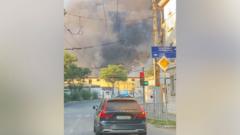
Grain Export Infrastructure Under Siege in Black Sea Region
Significant damage has been inflicted on grain export terminals operated by Russian interests in strategic Black Sea port facilities, marking a sharp escalation in the ongoing maritime conflict. The grain export terminals targeted represent crucial nodes in the international agricultural supply chain, with implications extending far beyond regional borders.
Growing Impact on Global Grain Markets
The deterioration of grain export capacity from both nations is reshaping commodity markets worldwide. Russia, a leading global supplier of wheat and other cereals, faces mounting obstacles to maintaining its export volumes through traditional Black Sea shipping lanes. Simultaneously, competing attacks on Ukrainian port infrastructure have created parallel disruptions to grain export operations that previously supplied millions of tons of cereals to international buyers.
Strategic Targeting of Shipping Facilities
The strikes on grain export terminals reflect a deliberate strategy to undermine each nation's economic capacity and export revenues. By targeting the physical infrastructure required to load cargo vessels, both sides aim to restrict the flow of agricultural products to international markets. These facilities serve as critical infrastructure linking domestic grain producers to global distribution networks.
Consequences for Agricultural Trade
The destruction and operational constraints affecting grain export terminals have triggered broader complications for the agricultural sector. Producers in both countries face mounting uncertainty regarding their ability to move harvested grain to international buyers. Storage capacity at producing regions becomes increasingly strained when export pathways are compromised or destroyed.
The recurring pattern of attacks on shipping infrastructure suggests a continuation of hostilities targeting economic assets rather than military installations. Port facilities, grain terminals, and maritime infrastructure have become legitimate targets in this expanding conflict zone.
International Shipping Disruptions
Commercial shipping through the Black Sea has undergone fundamental changes due to these ongoing confrontations. Insurance costs for vessels transiting affected waters have increased substantially, making grain transport more expensive for operators. Many shipping companies exercise heightened caution or avoid certain routes entirely when port facilities are damaged or under threat.
Agricultural Export Decline Across the Region
Both Russia and Ukraine have witnessed measurable reductions in grain export volumes compared to previous periods of stability. For Russia, the primary route for grain shipments traditionally flows through Black Sea terminals toward global markets in Africa, Asia, and Europe. When these grain export terminals suffer damage or operational disruption, alternative routing becomes necessary, often requiring longer transit times or alternative port facilities.
Ukraine's agricultural sector similarly depends on reliable port infrastructure for exporting domestically produced grain. The targeting of these facilities represents an indirect economic warfare strategy, diminishing national revenue from agricultural sales while constraining availability on global markets.
Supply Chain Realignments
International buyers dependent on grain supplies from this region have begun pursuing alternative sourcing strategies. Countries in North Africa, the Middle East, and Asia that traditionally purchased from Black Sea suppliers now evaluate options through different geographic suppliers. These market shifts may produce lasting changes even after current hostilities stabilize.
Future Outlook for Grain Export Infrastructure
The sustainability of grain export operations through Black Sea ports remains uncertain given the demonstrated vulnerability of terminal infrastructure. Reconstruction efforts, even if undertaken, would require cessation of active conflict and commitment to protecting commercial infrastructure. The grain export terminals that have suffered damage may require substantial investment to restore to previous operational capacity.
The intersection of geopolitical conflict and agricultural commerce creates complex dynamics affecting food security across dependent regions. Until the underlying political tensions diminish, grain export infrastructure in the Black Sea region will remain exposed to further disruption and attack.


