Torture Survivors May Have Been Unlawfully Placed at Sussex Asylum Camp
ITV undercover investigation reveals inadequate welfare checks and potential legal violations at Sussex military base housing asylum seekers under Graham King's...
Undercover Investigation Exposes Asylum Camp Welfare Checks Failures
An undercover documentary investigation has raised serious concerns about asylum camp welfare checks and the legality of housing practices at a controversial military facility in East Sussex. The ITV report reveals that torture survivors may have been placed at the site in violation of legal protections, while simultaneously exposing inadequate welfare checks at the installation operated by a firm owned by billionaire Graham King.
Inside The Asylum Camp: Documentary Methodology and Findings
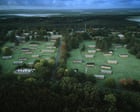
The investigative program, titled "Inside The Asylum Camp," deployed an undercover reporter who secured employment as a welfare officer at Crowborough military base. Through covert filming conducted within the former military training camp, the journalist documented concerning practices regarding asylum camp welfare checks and resident screening procedures. The documentary's findings suggest that the current operational standards at the facility fall significantly short of required protections for vulnerable individuals.
Government Policy Context and Accommodation Strategy
The placement of asylum seekers at mass accommodation sites such as the Crowborough facility represents a cornerstone of the government's broader strategy to transition away from hotel-based accommodation for asylum seekers. Officials have promoted military bases and similar large-scale facilities as more cost-effective alternatives to commercial lodging. However, the documentary's revelations about inadequate asylum camp welfare checks challenge the viability and appropriateness of this approach, particularly regarding vulnerable populations including torture survivors.
Torture Survivors and Legal Compliance Issues
Among the most troubling allegations presented in the investigation is evidence suggesting that torture survivors may have been accommodated at the facility without proper legal safeguards. International law and UK regulations impose strict requirements regarding the placement and care of individuals with documented trauma histories. The undercover reporting indicates that asylum camp welfare checks failed to identify or appropriately address the specific needs of torture survivors, raising questions about whether facility operators conducted adequate screening and assessment procedures before placement.
Inadequate Welfare Checks and Screening Procedures
The documentary demonstrates that asylum camp welfare checks at the location were insufficient in both frequency and thoroughness. The investigation found that welfare officers, despite being present on-site, failed to conduct proper assessments of residents' mental and physical health conditions. This appears particularly significant given that many asylum seekers may have experienced trauma in their home countries or during migration journeys. Comprehensive asylum camp welfare checks should identify such vulnerabilities and ensure appropriate support services are in place.
Graham King's Operations and Corporate Responsibility
The facility operates under a company owned by billionaire Graham King, who has become a prominent figure in the UK asylum accommodation sector. The documentary's findings raise questions about the adequacy of oversight mechanisms and corporate responsibility within King's operations. As a billionaire operator managing multiple asylum facilities, King's company bears responsibility for ensuring that asylum camp welfare checks meet legal and ethical standards across all installations.
Broader Implications for Asylum Accommodation Policy
The revelations from this undercover investigation have potential implications extending beyond the Crowborough facility. If asylum camp welfare checks are systematically inadequate at this location, similar concerns may exist at other military bases and mass accommodation sites operated under similar contracts. The government's reliance on large-scale military facilities for asylum accommodation may require substantial policy review and operational reforms to ensure compliance with legal obligations regarding vulnerable populations.
Next Steps and Regulatory Response
The documentary evidence suggesting that torture survivors were unlawfully placed at the facility, combined with documentation of inadequate asylum camp welfare checks, will likely prompt regulatory scrutiny. Government agencies responsible for asylum accommodation oversight will need to assess whether the current operational model at Crowborough complies with relevant legislation and international conventions protecting torture survivors. The investigation provides a foundation for potential inquiries into whether systematic reforms are needed across the asylum accommodation sector.
This undercover investigation underscores the critical importance of robust asylum camp welfare checks and proper screening procedures, particularly for vulnerable populations including torture survivors. As the government continues to develop its accommodation strategy, ensuring adequate protection mechanisms and rigorous oversight remains essential to protecting the welfare and legal rights of asylum seekers in institutional care settings.