Trump Backs United Ireland, Says Unification 'May as Well Happen Now'
Donald Trump endorses Irish unification during republic visit, stating he would 'love' to see united Ireland. UK and unionist leaders respond swiftly.
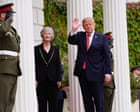
Trump's Unexpected Endorsement of Irish Unification
During his official visit to the Republic of Ireland, US President Donald Trump has publicly expressed strong support for a united Ireland, declaring he would "love" to witness such a development on the island. The surprising statement marked a significant political intervention, suggesting that Irish reunification "may as well happen now" rather than remain a distant prospect.
Trump's remarks regarding the united Ireland proposal came at the beginning of a scheduled two-day diplomatic tour across the nation. His comments struck many observers as particularly noteworthy, as they represented an unusually direct stance on a sensitive constitutional matter affecting both Ireland and the United Kingdom.
Political Reactions and International Response
The US president's position on Irish reunification generated immediate diplomatic responses from multiple quarters. British government officials swiftly issued rebuttals to Trump's statement, expressing their perspective on the matter. Additionally, political leaders representing unionist interests in Northern Ireland responded promptly to the president's remarks, underscoring the contentious nature of the constitutional question he had addressed.
Unionists, who advocate for continued union with the United Kingdom, viewed Trump's comments as problematic interference in internal UK affairs. Their swift reaction highlighted the deep sensitivities surrounding the issue of Irish unification and the various political factions invested in determining the constitutional future of the island.
The Broader Context of Constitutional Change
Trump's endorsement of a united Ireland reflects ongoing debates about the constitutional status of Ireland and Northern Ireland. The concept of Irish reunification remains a central issue in Irish politics, with supporters arguing it would bring democratic self-determination to the entire island, while opponents maintain strong ties to the United Kingdom.
The president's suggestion that unification represents an inevitable outcome added weight to his remarks. By framing reunification as something that will eventually occur regardless, Trump implied that timing—rather than the fundamental question itself—should be the primary consideration. This perspective departed from traditional diplomatic caution on such matters.
Diplomatic Implications and International Relations
The unexpected nature of Trump's intervention raised questions about the appropriate role of international leaders in commenting on constitutional matters affecting other nations. His direct advocacy for a united Ireland demonstrated how high-profile political figures might influence or complicate ongoing domestic political discussions.
Trump's statement during his Ireland visit underscored the complexity of transatlantic relations and the various interests involved in discussions about Irish reunification. While some observers viewed his comments as reflecting pro-Irish sentiment, others characterized them as inappropriate commentary on a matter best resolved through internal Irish and British processes.
Looking Forward: Implications for Irish Politics
The US president's public support for a united Ireland may influence how the issue develops within Irish political discourse. His prominent voice on the matter could energize supporters of reunification while simultaneously provoking stronger resistance from those opposed to constitutional change. Trump's intervention during his official visit demonstrated how international diplomatic engagements can unexpectedly become platforms for addressing sensitive political questions beyond traditional diplomatic protocols.