Women on Small Boats Face Sexual Abuse During Perilous Journeys
Home Secretary Shabana Mahmood warns that nearly all women arriving via small boats experience rape. Learn about trafficking exploitation and asylum seeker vuln...
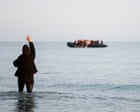
Home Secretary Highlights Severe Dangers Facing Female Migrants
Shabana Mahmood, serving as Home Secretary, has raised alarming concerns regarding the safety of women attempting to reach British shores through small boats crossing the English Channel. According to statements made during a recent podcast appearance, the vast majority of female migrants face sexual violence during their hazardous journeys from continental Europe. This disclosure underscores the critical vulnerabilities that asylum seekers encounter while attempting irregular crossings.
The Home Secretary's warnings about small boats sexual abuse reflect a broader crisis affecting vulnerable populations seeking refuge in the United Kingdom. Mahmood emphasized that human traffickers deliberately target asylum seekers, exploiting the chaos of uncontrolled migration to facilitate criminal activities. Her comments serve as a stark reminder of the human cost associated with dangerous maritime routes and the systematic abuse perpetrated by criminal networks operating across northern France.
Trafficking Networks and Criminal Exploitation
During her interview with The Rest Is Politics podcast, Mahmood detailed how organized crime groups leverage migration desperation to prey upon vulnerable individuals. The Home Secretary stressed that when governments lose control over border management and asylum processes, people traffickers gain unprecedented opportunities to exploit those seeking safety and opportunity abroad.
These criminal networks operate with ruthless efficiency, often subjecting women to rape and other forms of sexual violence as part of the trafficking process. The exploitation begins well before migrants reach the water and continues throughout their dangerous sea crossings. Mahmood's testimony provides official acknowledgment of these widespread abuses, validating countless accounts from human rights organizations documenting the systematic violence facing female migrants.
The Journey and Its Hidden Horrors
Women undertaking the perilous voyage across the Channel face multiple points of vulnerability. From initial recruitment in their home countries through to arrival in France and beyond, female asylum seekers encounter individuals willing to subject them to sexual assault and degradation. The small boats themselves represent only the final, visible stage of a longer exploitation process that remains largely hidden from public view.
The Home Secretary's assertion that nearly all women traveling this route experience rape demonstrates the systematic nature of sexual violence within migration trafficking. This is not random violence but rather a predictable consequence of how criminal organizations operate and how desperation creates conditions enabling such abuse.
Political Rhetoric and Border Security Concerns
Beyond discussing trafficking realities, Mahmood addressed broader political tensions surrounding immigration policy. She warned that far-right activists, whom she characterized as wearing balaclavas and promoting extremist agendas, would fundamentally undermine democratic values if granted power. The Home Secretary suggested that such movements would seek to forcibly exclude her and others from participating in British civic life based on their identity or background.
This political dimension connects to migration policy debates, where Mahmood contends that extreme positions on immigration fail to address the underlying human trafficking crisis. Instead of focusing on protecting vulnerable asylum seekers from exploitation, she suggests that far-right movements would adopt authoritarian approaches potentially worsening conditions for migrants.
Government Response and Border Management
The Home Secretary's comments reflect government efforts to justify stricter border controls and enhanced asylum procedures. By highlighting the genuine dangers facing vulnerable migrants, particularly women subjected to small boats sexual abuse during crossings, Mahmood attempts to frame government intervention as protective rather than punitive.
The administration contends that controlling who enters the country represents the most effective method for preventing exploitation by trafficking networks. According to this perspective, asylum seekers face less danger when regulated migration pathways replace dangerous irregular routes controlled by criminal organizations.
Broader Context of Migration Crisis
The United Kingdom has witnessed increased numbers of irregular arrivals in recent years, with small boat crossings becoming more common despite heightened dangers. Each crossing season brings new tragedies and documented cases of sexual violence against vulnerable migrants, particularly women and children.
The Home Secretary's willingness to publicly address these harrowing realities marks a significant acknowledgment of the crisis within official government circles. Previously, migration debates often focused on security concerns and national sovereignty rather than the human suffering experienced by those attempting dangerous journeys.
Implications for Policy and International Cooperation
Mahmood's statements suggest potential future policy directions emphasizing international cooperation to disrupt trafficking networks and expand safe migration alternatives. By documenting the systematic sexual violence accompanying current migration routes, government officials build the case for preventing asylum seekers from undertaking dangerous journeys altogether.
The Home Secretary's comments also highlight the need for enhanced support services for survivors of trafficking and sexual assault among migrant populations. Addressing trauma and facilitating recovery requires specialized resources and culturally competent care providers willing to work with individuals facing significant trust barriers.
The revelations surrounding sexual violence affecting women on small boats underscore the urgent necessity for comprehensive approaches combining border security, law enforcement action against trafficking networks, and humanitarian support for vulnerable populations seeking safety in the United Kingdom.